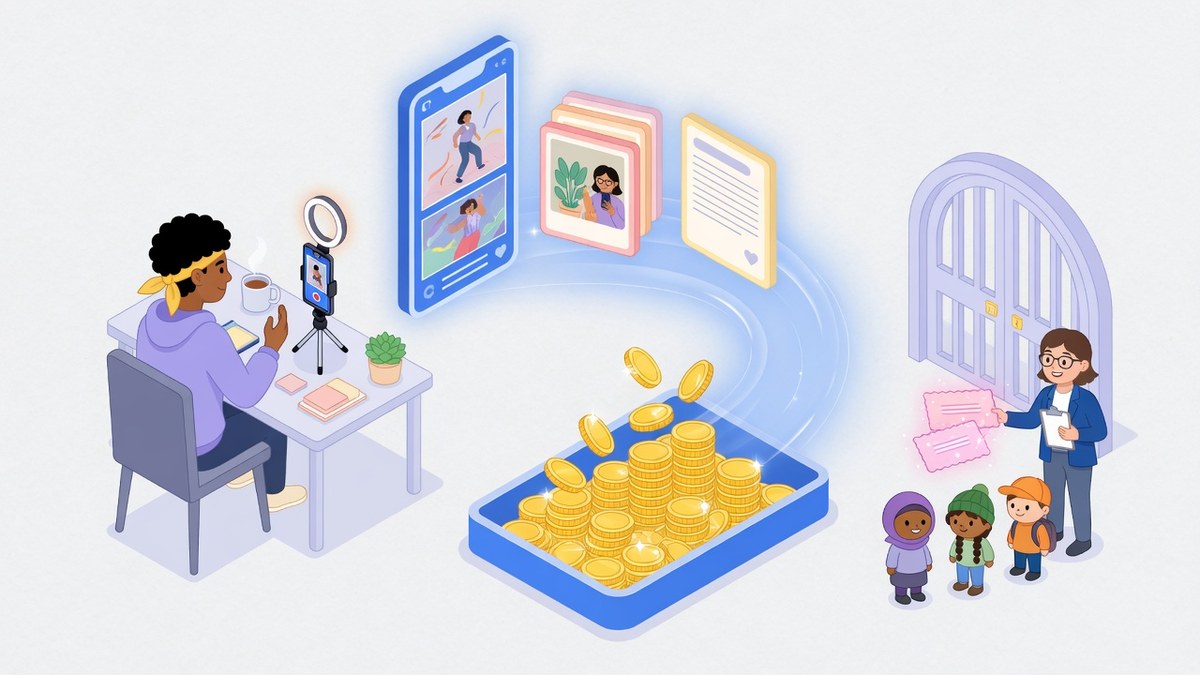
Here's the short version: you can't just sign up for Facebook Content Monetization and start earning. It's invite-only. The realistic path is to express interest through the in-app form, meet Facebook's underlying monetization criteria, keep posting original public content, and wait to get pulled into one of Meta's periodic invite waves. Meta says it's inviting millions of creators this year and moving toward open enrollment, so the door is opening. Just not on your schedule.
I've watched Meta reshuffle its creator payouts more times than I can count, and this is the version that finally makes sense. Content Monetization is the one program that swallowed the old mess of separate tools. Understanding what it actually is changes how you chase the invite.
What Facebook Content Monetization actually is
For years, monetizing on Facebook meant juggling three separate things: In-stream ads on your longer videos, Ads on Reels, and the invite-based Performance Bonus. Different enrollments, different rules, different dashboards. It was confusing even for people who did this full time.
Content Monetization is Meta's fix. It's a single program that folded all three into one, with one onboarding and one payout flow. Meta announced the beta in October 2024, describing it as a program that "merges In-stream ads, Ads on Reels and the Performance Bonus into a single program." Once you're in, you earn across every eligible format (Reels, photos, text posts, and Stories) instead of managing a separate tool for each.
The scale is real. Facebook paid creators nearly $3 billion across its monetization programs in 2025, a 35% jump year over year and its highest annual total ever. About 60% of that went to Reels, with the rest spread across Stories, photos, and text posts. So this isn't a token gesture. It's where Meta is putting serious money, and it's the pool you want a piece of.
How the payouts work
You get paid on the performance of your content, not a flat rate. Meta leans into rewarding original content that earns deeper engagement, longer watch time, and what it now calls qualified views. The program introduced new metrics to track this: a Qualified View, an Earnings Rate (roughly, approximate earnings per 1,000 qualified views), and Non-Qualified Views for the stuff that doesn't count.
What I won't do is hand you a fake number. Meta doesn't publish a fixed rate for Content Monetization, and the official tool page lists no per-view payout. Any blog quoting you an exact "$X per 1,000 views" is guessing. The honest framing: it's performance-based, Reels earn the biggest share of the pool, and your real rate depends on your niche, your watch time, and how original your content reads to Meta's systems. Finance and business creators tend to see higher effective rates than entertainment pages because advertisers pay more to reach them, and that gap holds on Facebook the same way it does everywhere else. Treat the payout as a function of what you make, not a flat unlock.
Check the live Facebook Content Monetization breakdown
See the full Facebook program detailsThe requirement everyone gets wrong
This is where most guides mislead you. You'll see confident claims like "you need 5,000 followers and 60,000 minutes viewed in 60 days." Those numbers are the older in-stream ads eligibility criteria that third-party sites still repeat. They are not a confirmed Content Monetization invite threshold. Meta does not publish a hard follower or view gate for Content Monetization on its official tool page.
So what's actually confirmed? Three things:
- The program is invite-only. You have to be invited to join.
- Your content must be original and public. Meta is explicitly weighting original content and cracking down on reposted, unoriginal material.
- Your account must be in good standing under Facebook's monetization policies.
The classic 5K-follower / 60K-minute numbers are a reasonable target to build toward, since a creator at that level clearly has the audience and watch time Meta rewards. Just don't treat them as a guaranteed gate. Nobody outside Meta knows the exact invite criteria, and that's the honest answer. One thing worth doing regardless: give your Page some age. A brand-new page with a week of history rarely gets looked at, so the sooner you start posting consistently, the sooner you build the track record an invite wave keys off of.
How to actually get the invite in 2026
You can't buy or force an invite, but you can stack the odds. Here's the sequence I'd run:
Step one: express interest through the in-app form. This is the one concrete action Meta gives you. Open your Professional Dashboard, go to the Monetization tab, and find Content Monetization to access the interest form. Filling it out puts you on Meta's radar as someone who wants in. Invitations only ever come through official channels (the Facebook app, email, Meta Business Suite, or your Professional dashboard), so ignore anyone in your DMs claiming they can get you approved.
Step two: look like the creator Meta wants to invite. Since the invite waves target eligible, active creators, become obviously eligible:
- Post original content consistently. This is the single biggest lever right now, since Meta is actively rewarding originality and demoting reposts.
- Lean into Reels, since that's where 60% of the payout pool goes.
- Build genuine watch time and engagement, not just follower count.
- Keep your account clean under the monetization policies. One standing violation can knock you out of the pool.
Step three: wait for the wave, and know it's widening. Meta has publicly said it's "sending invitations to millions of creators this year" and plans to "offer open enrollment in the near future." So the invite pool is expanding fast, and the barrier is expected to drop. Your job is to already be eligible and original when your number comes up.
Who should chase this, and who should wait
Go after it if you're an active Facebook creator posting original public content and you'd rather earn through one unified program than juggle separate tools. For anyone already getting real reach on Reels, this is the payout program to be in, and expressing interest costs you nothing.
Hold off stressing about it if you're brand new. A three-week-old page with a handful of reposts isn't getting invited, and no trick changes that. Spend that energy building an original catalog and audience first. The invite follows the work. If you want to compare this against Meta's other on-ramp, the Facebook Creator Fast Track is a separate guaranteed-pay path worth knowing about, and our Facebook Creator Fast Track requirements guide breaks down who qualifies. For the wider picture on what Facebook pays, see how much does Facebook pay creators, browse the full video creator programs, and run your own numbers in the Gemlist calculator.
Content Monetization is the best-structured deal Facebook has offered creators in years. You just can't rush the invite. You earn it by looking like someone Meta already wants in.
Ready to express interest in Facebook Content Monetization?
See the live Facebook Content Monetization details, what counts as a qualified view, and how the invite-only program pays across Reels, photos, and Stories, then set up your page to land on Meta's next invite wave.
Open the Facebook breakdownFrequently asked questions
How do I get invited to Facebook Content Monetization?
You can't apply and get instantly approved — it's invite-only. Meta sends invitations periodically to eligible creators, and they arrive only through official in-product channels: the Facebook app, email, Meta Business Suite, or your Professional dashboard. What you can do is express interest through the in-app form (Professional Dashboard, Monetization tab, then Content Monetization), keep posting original public content, and stay policy-compliant so you're in the pool when the next invite wave goes out. Meta has said it's inviting millions of creators and plans to move toward open enrollment, so the pool is widening.
What are the requirements for Facebook Content Monetization in 2026?
Meta doesn't publish a hard follower or view threshold for Content Monetization on its official tool page, so treat any exact number you see with caution. What's confirmed: you need to be invited, your content must be original and public, and your account has to be in good standing under Facebook's monetization policies. The often-quoted '5,000 followers and 60,000 minutes viewed in 60 days' figures are the older in-stream ads eligibility criteria reported by third parties, not a confirmed Content Monetization invite bar. They're a reasonable target to aim for, not a guaranteed gate.
How much does Facebook Content Monetization pay?
Meta doesn't disclose a fixed rate — payouts are performance-based on how your content does, measured through new metrics like Qualified Views and an Earnings Rate (approximate earnings per 1,000 qualified views). For scale, Facebook paid creators nearly $3 billion across its monetization programs in 2025, up 35% year over year, and about 60% of that went to Reels. But there's no published per-view number, so anyone quoting you an exact RPM is estimating.
Is Facebook Content Monetization the same as In-stream ads and Ads on Reels?
It replaced them. Content Monetization is Meta's unified program that merged In-stream ads, Ads on Reels, and the Performance Bonus into a single program with one onboarding and one payout flow. Instead of enrolling in three separate tools, invited creators join one program and earn across every eligible format — Reels, photos, text posts, and Stories. If you were monetizing through the old tools, this is where that earning consolidated.
Can anyone join Facebook Content Monetization or is it invite-only?
It's invite-only right now. Invitations are distributed periodically to eligible creators through official Meta channels only. You can express interest via the in-app form, but you can't force or buy an invite — it lands on Meta's schedule. The good news is Meta has said it's sending invitations to millions of creators and plans to offer open enrollment in the near future, so the barrier is expected to come down over time.
More from Gemlist
How Many Watch Hours to Monetize YouTube in 2026
How many watch hours to monetize YouTube in 2026: 4,000 valid public hours in 12 months plus 1,000 subs for ad revenue, or 3,000 hours at 500 subs for fan funding.
Spotify Partner Program Requirements 2026: Who Actually Qualifies
Spotify Partner Program requirements 2026: 3 episodes, 2,000 consumption hours, and 1,000 audience count in 30 days. Spotify cut the bar ~80% in January. Full breakdown.
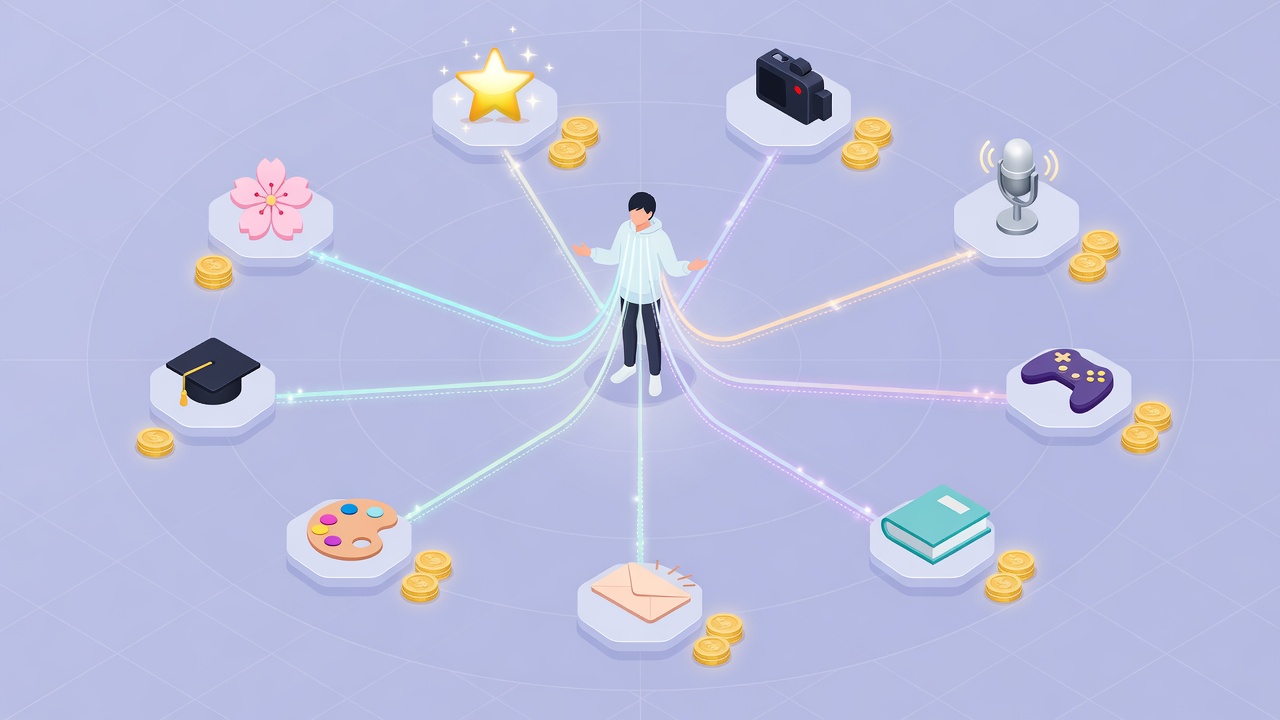
Creator Monetization Platforms 2026: Complete Guide by Category
How do creators make money in 2026? This guide covers 69 verified creator programs across 9 categories — video, streaming, music, gaming, writing, newsletter, beauty, education, and AI tools — with real payout rates and entry requirements.