I get this question a lot, usually phrased with a little dread: "Can anyone actually start a Substack, or is there some bar I have to clear first?" The dread is misplaced. Yes, anyone can start a Substack. It's free, there's no application, no approval committee, and no follower minimum. You sign up with an email and you're publishing in the time it takes to pick a name.
The confusion almost always comes from one place. People hear "Substack has a fund" or "Substack has a program" and assume there's a gate between them and a blank publish button. There is a gate, but it's around something else entirely, and conflating the two is what makes people hesitate for no reason.
The thing most people get backwards about SubstackStarting a Substack is open to everyone. The part with a $2,000 bar is a migration deal you don't need to publish your first post.
So let me untangle it, because the honest answer is "yes, but know these three things": what it costs once you charge money, what Substack won't do for you, and what that gated fund actually is.
Starting is genuinely open
There's no catch on the entry itself. To create an account you need to be at least 16 (Substack asks you to verify age, and 18+ content must be labeled). A free publication can be started from anywhere in the world. You don't need an existing audience, a portfolio, or anyone's permission. Substack's own pitch is that getting started takes a few minutes with zero tech knowledge, and that's accurate. I've watched non-technical writers go live in one sitting.
Paid subscriptions add one real requirement: a Stripe account, since Stripe handles the money. That ties paid publications to Stripe-supported countries. A handful (India, Brazil, Indonesia, Mexico, Malaysia, Thailand) sit in a gray zone for technical reasons around Substack's fee, though creators in India or Brazil who connect Stripe can still turn on paid subscriptions. If you're only running a free newsletter, none of that touches you.
What it costs once you charge
"Free to start" is true, but it's worth being precise about what happens when money starts moving, because this is the number people should actually plan around. Substack only earns when you earn, so if you never charge readers, you never pay Substack a cent. The moment you go paid, here's the math:
| What | The cut |
|---|---|
| Substack platform fee | 10% of paid-subscription revenue |
| Stripe card processing | ~2.9% + $0.30 per transaction |
| Stripe recurring-billing fee | 0.7% per renewal |
| Realistic combined total | ~13–16% of gross |
Substack states it plainly on its own page: writers keep 90% of revenue minus credit-card fees. So on a $5/month subscription, you're netting somewhere in the low-to-mid four-dollar range after everyone's cut, not the full five. One extra trap: if a subscriber signs up through Substack's iOS app, Apple takes up to 30% on top. Substack auto-raises the in-app price to absorb that, and you can switch it off, but it's the kind of thing that quietly eats margin if you never look.
That distribution gap is the thing I'd want a first-timer to internalize. The platform is free and open precisely because the hard part, finding readers, is left to you. Anyone can start. Not everyone wants to do the unglamorous work of getting the first hundred paying subscribers, and Substack won't do it for you.
What Substack actually pays, and what the fund guarantees
See the Substack program detailsThe gated part everyone trips on
Now the fund, since it's the source of the "do I qualify?" anxiety. The Substack Creator Accelerator Fund is a $20 million pool, and it has nothing to do with starting. It's a migration safety net for creators who already have a paying audience somewhere else (Patreon, Supercast, Circle) and want to move it over.
The deal is genuinely good if you fit it: Substack guarantees you'll earn at least 100% of your prior platform's annual revenue in your first year, and if you fall short, Substack pays the difference. You also get white-glove onboarding from their partnerships team and early access to beta features. But the bar is specific. You have to be US-based, doing at least $2,000 in monthly recurring revenue, migrating an existing paid audience, and willing to make Substack the exclusive home for your premium content. Spots are limited and reviewed on a rolling basis.
Read that and the picture clicks: the $2K number gates a guarantee for established operators, not the publish button for beginners. If you're starting from zero, the fund isn't for you and it doesn't need to be. Substack itself points non-qualifiers to its self-serve migration help instead. Don't let a program built for people leaving Patreon make you think you can't open a free account today.
What this means for you
If you're asking "can anyone start a Substack," you're almost certainly in the start-from-zero camp, and the answer is an unqualified yes. Go do it, it's free. Here's how I'd frame the decision honestly.
Start free, charge later. Open the account, publish for free, and only flip on paid subscriptions once you've got readers who'd actually pay. There's no penalty for waiting, and Substack doesn't bill you to publish.
Plan for the fee, not against it. Losing ~13–16% to Substack and Stripe is the cost of not building your own payment stack. For most writers that's a fair trade. If it isn't, beehiiv lets you keep 100% of subscription revenue minus processing, and a Patreon tier structures things differently. Worth comparing before you commit.
Know which platform fits your audience before you pour months in. Newsletters aren't the only paid-creator path, and the right one depends on what you make and where your people already are. If you're weighing options, the calculator will estimate what different programs could pay your specific audience:
I broke down how a platform fund differs from a self-serve program in creator fund vs creator program, and if your medium is video rather than writing, the Snapchat creator path is a useful contrast in how gated these things can get.
So, can anyone start a Substack? Yes. Today, free, no permission needed. Just don't confuse "anyone can start" with "Substack will grow you." The first is true, the second is the work.
Free to start, $2K to qualify for the fund: see which side you're on
The full breakdown of Substack's fees, the Creator Accelerator Fund requirements, and who actually qualifies, verified on Gemlist.
Check the Substack program detailsFrequently asked questions
Can anyone start a Substack, or do you need to be approved?
Anyone can start one. There's no application, no approval queue, and no follower minimum to publish on Substack in 2026. You sign up with an email address and you're live in minutes, and writers, artists, podcasters, and video creators are all welcome. The only age rule is that you must be at least 16 to create an account, and 18+ content has to be labeled. The thing people confuse with 'approval' is the Substack Creator Accelerator Fund, which is a separate, gated program for established creators migrating a paid audience, not a requirement to start.
Is Substack free to start in 2026?
Yes. There's no upfront cost and no monthly fee to publish on Substack. You can run a free newsletter indefinitely without paying anything. Substack only makes money when you do: it takes a cut of paid-subscription revenue, so if you never charge readers, you never pay Substack. Setting up paid subscriptions later takes a few minutes and requires connecting a Stripe account.
How much does Substack take from your earnings?
Substack's platform fee is 10% of your paid-subscription revenue — writers keep 90%. On top of that, Stripe (the payment processor) charges roughly 2.9% + $0.30 per credit-card transaction plus a 0.7% recurring-billing fee. Combined, expect to lose somewhere around 13–16% of gross to fees. If subscribers buy through Substack's iOS app, Apple takes up to 30%, so Substack raises the in-app price to cover it (you can disable that).
Do you need followers or subscribers to start a Substack?
No. Plenty of writers started at zero and built from there. But here's the honest part: Substack won't hand you an audience. It doesn't push your posts to a broad feed, so early growth is on you: cross-promotion, recommendations from other writers, and bringing readers from elsewhere. Starting is free and open; growing is the actual work.
What is the Substack Creator Accelerator Fund and who qualifies?
It's a $20 million guarantee fund for established creators moving a paid subscription audience to Substack from another platform like Patreon, Supercast, or Circle. Accepted creators are guaranteed to earn at least 100% of their prior platform's annual revenue in year one, with Substack covering any shortfall. To qualify you must be US-based, have at least $2,000 in monthly recurring revenue, be migrating an existing paid audience, and be willing to make Substack your exclusive home for premium content. It's a migration safety net, not a way to start from scratch.
More from Gemlist
How Many Watch Hours to Monetize YouTube in 2026
How many watch hours to monetize YouTube in 2026: 4,000 valid public hours in 12 months plus 1,000 subs for ad revenue, or 3,000 hours at 500 subs for fan funding.
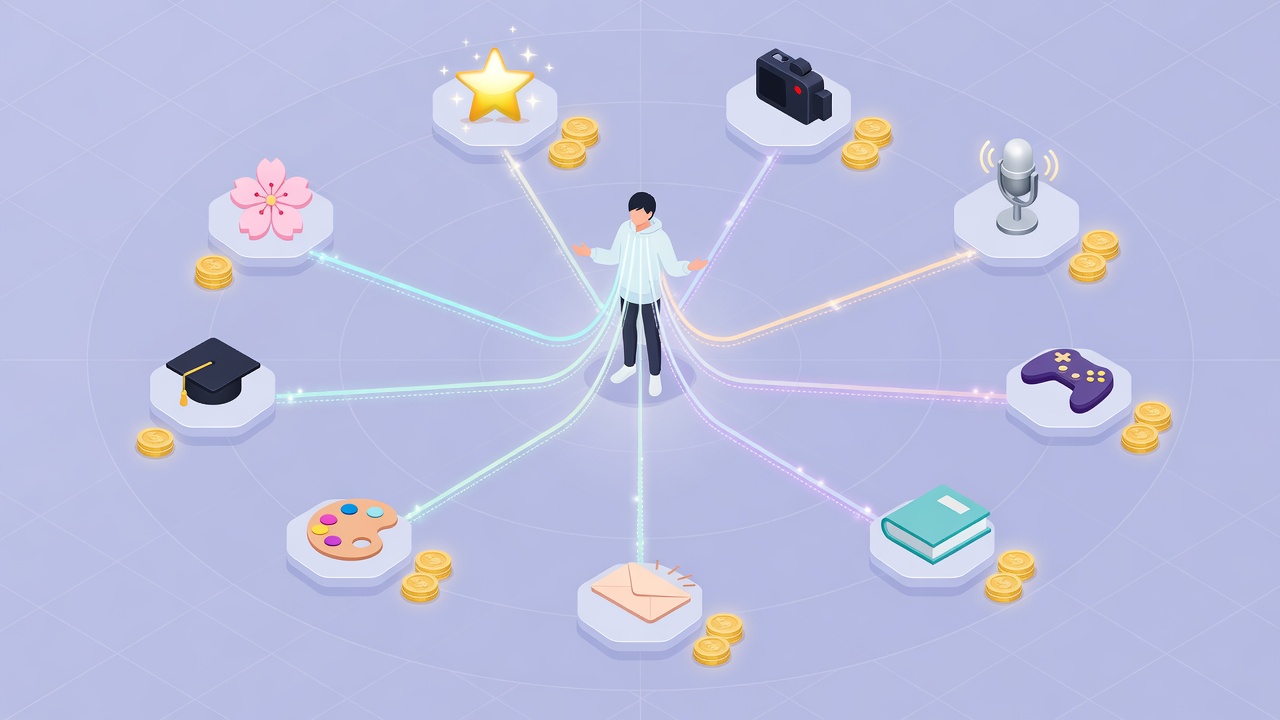
Creator Monetization Platforms 2026: Complete Guide by Category
How do creators make money in 2026? This guide covers 69 verified creator programs across 9 categories — video, streaming, music, gaming, writing, newsletter, beauty, education, and AI tools — with real payout rates and entry requirements.
How Much Does Ream Stories Take? Author Fees & Payouts (2026)
How much does Ream Stories take from authors? A flat 10% platform fee plus standard card processing (~2.9% + $0.30). Free to start. Here's the real math.