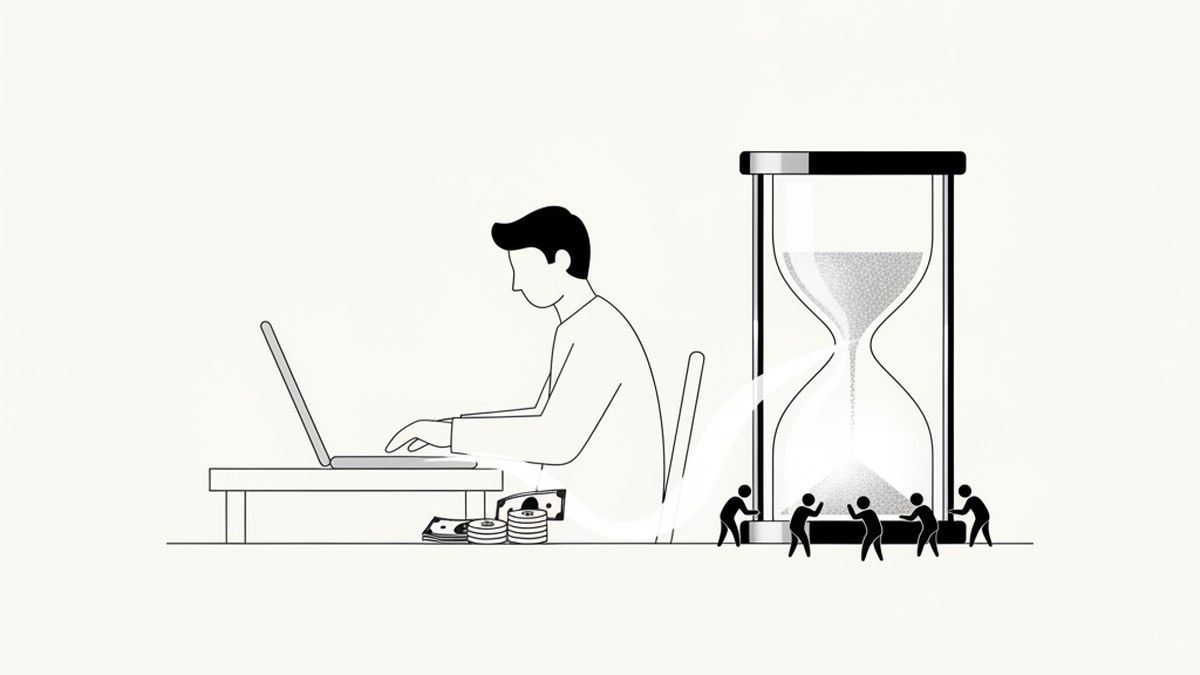
Two people ask "can you monetize Medium," and they want opposite things. One is a writer deciding where to publish, asking whether Medium has a built-in way to pay them at all. The other already writes here and is asking whether the money is real or whether they're filling a content farm for free. The short answer to the first is yes. The honest answer to the second is the part worth slowing down for.
Yes, Medium pays writers directly through the Medium Partner Program. You don't need a follower count, and as of the current rules you don't need a paid Medium membership either. You earn from how much paying Medium members read and engage with your stories, and you get paid through a connected Stripe account. That's the clean part.
So let me split it the way it actually works: what monetizing Medium requires, how the money is calculated, what writers really report earning, and the one 2026 wrinkle that can quietly block you before any of that matters.
What it takes to get in
The requirements are concrete, and they're about history, not popularity. To apply you need a complete profile, at least 6 published stories, and at least 3 months of activity on Medium. You have to be 18 or older, you must have a bank account and file taxes in one of Medium's supported countries, and you have to accept Medium's terms and its AI content policy. Applications go to the Medium team for review rather than flipping on automatically.
A few things stand out. There's no follower minimum, which is genuinely different from most platform programs where audience size is the gate. The supported-country list is wide, 100-plus countries including the US, UK, Canada, India, Australia, and most of Europe, though outlying territories of those countries are excluded. And the membership requirement is gone: you no longer need to pay for a Medium subscription to monetize, which used to be the bar. The rejection reasons are the mirror image of the requirements: no bank or tax residence in a supported country, fewer than 6 stories or under 3 months active, being under 18, an incomplete profile, or content that breaks Medium's rules or AI policy.
Want the exact eligibility checklist and supported countries?
See the full Medium requirementsHow the money is actually calculated
Here's the mechanic people get wrong. Medium doesn't pay per view. It pays based on how much paying Medium members read and engage with your work. Member reading time is the core lever, so a long, genuinely-read article from subscribers is worth more than a quick bounce, and engagement like claps, highlights, and replies feeds in too. There's a follower bonus when members follow you and keep reading, and a Boost bonus when Medium's curators select a story for wider distribution.
The practical consequence: a post that goes viral with non-members or off-platform readers can earn surprisingly little, because the people clicking aren't funding the member pool. That's the single biggest reason "I got 50,000 views and made $12" posts exist. Views aren't the currency. Paying-member attention is.
Medium keeps adding levers rather than relying on one. Since October 2025 it pays for member reads that come from off-platform, including search and social. In January 2026 it spread earnings across a wider range of stories instead of concentrating them on Boosted ones, which nudged everyone else up a little. And in February 2026 it added "member growth earnings," a small one-time payment when a non-member reads your paywalled story and then subscribes.
What writers actually earn
This is where I have to be straight with you, because Medium isn't. The platform doesn't publish typical writer earnings, so our database lists the figure as COULDNT_CONFIRM, and anyone quoting you a clean "Medium writers make $X" is guessing.
What we do have is creator-reported data, and it's a wide, bumpy range. The value of a read tends to land somewhere around $0.01 to $0.05 once you're dealing in volume, with occasional outlier posts much higher. The large majority of writers, community estimates put it well above 90 percent, report under $100 a month. Consistent writers who've built an audience and publish regularly report a few hundred to a couple thousand dollars monthly. A small top tier report more. None of those are promises, and the same writer's income can swing hard month to month because it tracks member read time, not a fixed rate.
Who should bother, and who shouldn't
Medium is worth it if you're an essayist, educator, or niche writer who can produce readable, high-retention articles that resonate with a subscribing audience, and you'd be writing anyway. The no-follower, no-membership entry is a real low barrier, and getting paid for distribution you don't have to build yourself is the genuine appeal.
Skip it as a primary income plan. If your goal is a predictable paycheck, the member-read-time model and the under-$100 reality for most writers make that a bad bet. The writers who turn Medium into real money almost always treat it as one channel among several, using it to reach readers and convert them elsewhere rather than living off the ad-style pool alone.
If you're trying to figure out whether Medium fits your audience versus another program, the calculator estimates what different programs could pay your specific following so you're not guessing:
And if you're weighing free-to-start writing platforms in general, can anyone start a Substack covers the newsletter version of this same question, where you own the audience instead of renting Medium's, and can you make a WEBTOON for free breaks down the same "free to publish, gated to earn" pattern for visual creators.
So, can you monetize Medium? Yes, through the Partner Program, with a low entry bar and no paid membership required. Just go in clear-eyed. The money is real but modest for most, it rewards paying-member attention over raw traffic, and in 2026 the first thing to confirm isn't whether you qualify. It's whether the door is currently open.
No follower minimum, no membership — see exactly where Medium's pay gates sit
The full Medium Partner Program breakdown on Gemlist: the 6-story and 3-month requirements, the supported-country list, how paying-member read time turns into payouts, and the 2026 changes, verified against the source.
See the Medium Partner Program detailsFrequently asked questions
Can you actually make money writing on Medium in 2026?
Yes, through the Medium Partner Program, which is the platform's built-in way to pay writers. You earn from how much paying Medium members read and engage with your stories, paid out through a connected Stripe account. The honest catch is the size of the money: Medium doesn't publish typical earnings, so our database marks the figure COULDNT_CONFIRM, and community-reported data suggests the large majority of writers earn under $100 a month. A dedicated minority who publish consistently and build an audience report several hundred to a few thousand dollars monthly, and a small top tier report more, but those are reported ranges, not guarantees. Treat Medium as a place to get paid for writing you'd do anyway, not a reliable salary.
What are the requirements to join the Medium Partner Program?
Per the current eligibility rules, you need a complete profile, at least 6 published stories, and at least 3 months of activity on Medium. You must be 18 or older, have a bank account and file taxes in one of Medium's supported countries (100+ are listed, including the US, UK, Canada, India, Australia, and most of Europe), and you must read and accept Medium's terms, policies, and its AI content policy. Applications are reviewed by the Medium team rather than approved automatically. There's no follower minimum.
Do you need a paid Medium membership to get paid?
No. A Medium membership subscription is no longer required to apply to the Partner Program. That's a real change from the older rules, where you had to be a paying member to monetize. Today the bar is the 6-stories-plus-3-months history, a complete profile, and a bank account in a supported country, not a paid subscription. You still earn primarily from paying members reading your work, so members fund the pool, but you don't have to be one to join.
How much do Medium writers actually earn per month?
There's no official number. Medium doesn't publish typical writer earnings, so our database lists it as COULDNT_CONFIRM, and anyone quoting a clean average is estimating. From community and creator-reported data, the value of a read tends to land somewhere around $0.01 to $0.05 in volume, most writers report under $100 a month, consistent writers who've built an audience report a few hundred to a couple thousand, and a small top tier report more. The numbers swing month to month because earnings track paying-member read time, not raw views, so a post that goes viral with non-members can earn surprisingly little.
Is the Medium Partner Program accepting new applications right now?
Check the official Partner Program page before you count on it. As of early 2026, multiple writers reported that Medium had temporarily paused accepting new Partner Program applications, with some applicants seeing errors or no response after submitting. Medium adjusts the program often, so the pause may have lifted by the time you read this, but it's the one thing worth confirming first: the requirements don't matter if the door is temporarily closed. Build your 6 stories and 3 months of history in the meantime so you're ready the moment applications reopen.
More from Gemlist
How Many Watch Hours to Monetize YouTube in 2026
How many watch hours to monetize YouTube in 2026: 4,000 valid public hours in 12 months plus 1,000 subs for ad revenue, or 3,000 hours at 500 subs for fan funding.
Spotify Partner Program Requirements 2026: Who Actually Qualifies
Spotify Partner Program requirements 2026: 3 episodes, 2,000 consumption hours, and 1,000 audience count in 30 days. Spotify cut the bar ~80% in January. Full breakdown.
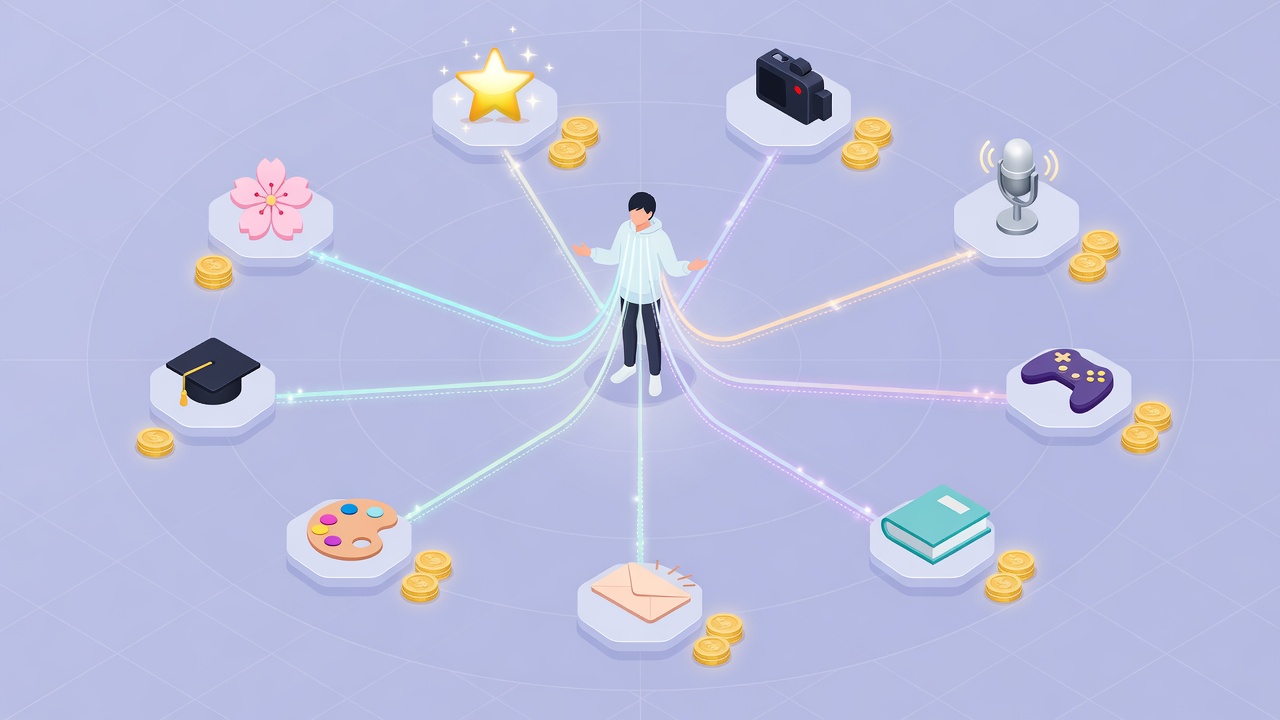
Creator Monetization Platforms 2026: Complete Guide by Category
How do creators make money in 2026? This guide covers 69 verified creator programs across 9 categories — video, streaming, music, gaming, writing, newsletter, beauty, education, and AI tools — with real payout rates and entry requirements.