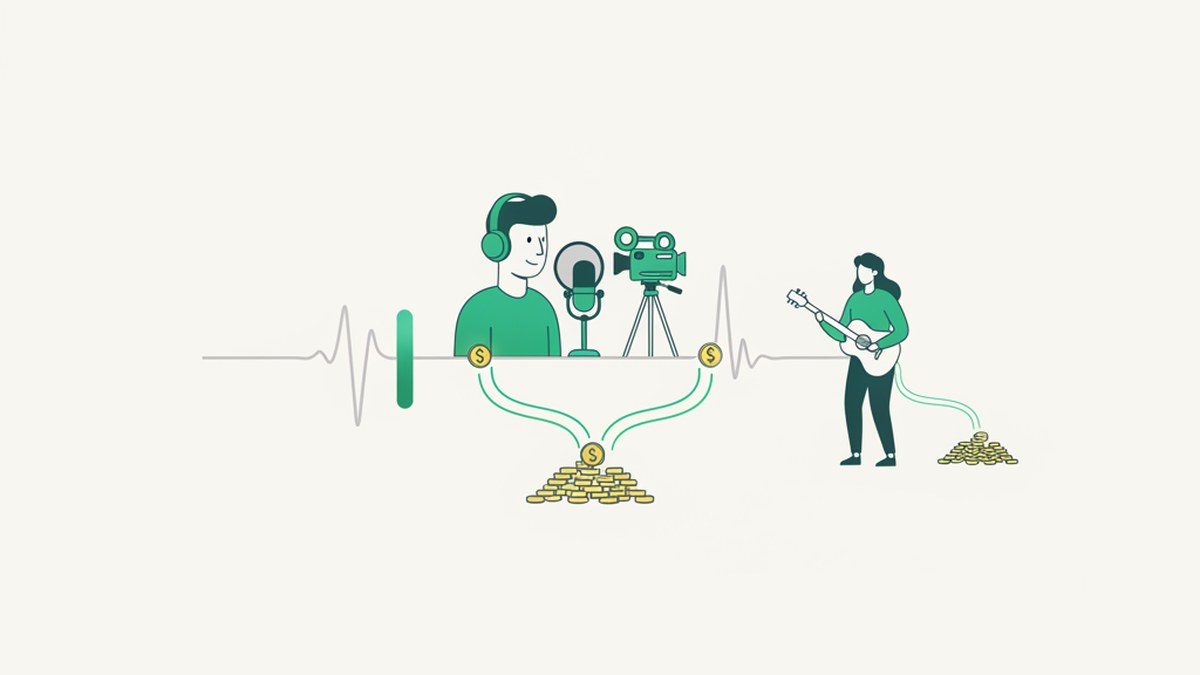
"Can you monetize Spotify" is really two questions wearing the same coat, and the answer changes completely depending on which one you're asking. A podcaster wants to know if Spotify will pay them for episodes. A musician wants to know if their songs earn. Same platform, two entirely different machines, and most guides blur them into mush.
Here's the clean split. If you make podcasts or video shows, yes, you monetize through the Spotify Partner Program, an application-gated program that pays a 50% share of ad revenue plus Premium video revenue. If you make music, you also earn on Spotify, but not through any program you join; you upload via a distributor and collect streaming royalties per play. This post is mostly about the first path, because that's the one with actual gates, thresholds, and a yes-or-no answer. The music side I'll settle before the end so nobody leaves confused.
So let me walk it the way it actually works: what the Partner Program requires, how the two revenue streams pay, what creators really earn (and what Spotify won't tell you), the music question, and who should bother.
What the Partner Program actually requires
The gate is about listening, not followers. Spotify's own eligibility page and our listing line up exactly: host your show on Spotify for Creators, have a legal address in an eligible market, publish at least 3 episodes, and in the last 30 days hit both 2,000 consumption hours and 1,000 audience count on Spotify. Clear all five and you can apply from the Monetize page. Your content then gets reviewed against Spotify's monetization policies before you're in.
Two details worth pinning down. First, "audience count" and "consumption hours" are Spotify-specific listening metrics, not your total download numbers from every app, so the threshold is really about how much people listen to you on Spotify itself. Second, the hosting rule is stricter than people expect. Your show has to live on Spotify for Creators. If you host elsewhere, or you're on Spotify's enterprise Megaphone product, you have to check whether your provider even supports Partner Program access before any of this applies.
Want the exact thresholds and what disqualifies a show?
See the full Spotify eligibility rulesHow the two revenue streams pay
The money comes from two places, and both hinge on one small action: you have to insert at least one ad break in an episode to earn anything at all.
Ad revenue is the straightforward half. You earn a 50% share of the revenue recognized every time a Spotify-monetized ad plays in your episodes, whether that play happens on Spotify or off it on another podcast app. You pick where your ad breaks sit and can exclude ad categories you don't want. No ad break, no ad revenue.
Premium video revenue is the newer, video-first half, and it's where Spotify has been pushing hard in 2026. When Spotify Premium members in select markets watch your video episodes, they get an ad-free experience, so instead of ad revenue you earn based on how much they stream, calculated through Spotify's proprietary formula. It weighs things like total qualifying watch time, the market your Premium viewers are in, and how many unique Premium users watched. Nineteen markets currently qualify for Premium video revenue, including the US, UK, Canada, Australia, and much of Europe. A stream only counts once someone watches or listens for 60 seconds or more, and the video episode still needs an ad break to qualify.
What creators actually earn
Here's where I have to be straight, because Spotify isn't. It does not publish typical per-creator earnings, so our database lists the figure as COULDNT_CONFIRM, and anyone handing you a clean "Spotify pays $X per stream" for podcasts is guessing.
What Spotify has said publicly is aggregate. It reported paying out more than $100 million to podcast creators in Q1 2025, and that hundreds of creators have crossed $10,000 in monthly revenue. Those are Spotify's own reported figures, and they describe the top of the distribution, not the median show. Your actual number rides on how many ad breaks you run, how much of your audience sits in Premium video markets, and your total qualifying watch time. Ad revenue tracks CPMs, which swing with your size and niche; Premium video revenue tracks watch time in eligible markets. Neither is a fixed rate you can promise yourself in advance.
But what if you make music, not podcasts?
Short version: you still earn on Spotify, just not through this program. The Partner Program, with its consumption-hour threshold and application, is built for podcasters and video creators. Musicians never touch it.
Instead, you get your tracks onto Spotify through a distributor like DistroKid, TuneCore, or a label, and you collect streaming royalties calculated per stream from Spotify's royalty pool. There's no application, no 2,000-hour gate, and you earn from the first play. The trade-off is the well-known one: the per-stream royalty is tiny, so music income scales with total streams and where your listeners live, not with clearing a program's bar. If that's your path, the platform question isn't "am I eligible," it's "which distributor keeps the most of my royalties."
Who should bother
The Partner Program is worth it if you're a podcaster or video creator with steady Spotify listening, especially if you can produce video episodes and your audience skews toward Premium markets. That combination stacks both revenue streams. If you're already near the 2,000-hour, 1,000-audience thresholds, applying is close to free upside.
Skip the program as a starting plan if you're launching from zero. You can't apply until you've built the listening, so the sequence is audience first, monetization second. And if you make music, don't wait on this at all; pick a distributor and start collecting royalties now.
If you want to see how Spotify stacks up against other paths for your specific audience, the calculator estimates what different programs could pay, and it's worth a look before you commit to one platform:
For the same "open to publish, gated to earn" pattern applied to other platforms, can you monetize SoundCloud covers musicians and can you monetize Medium covers writers.
So, can you monetize Spotify? If you podcast, yes, through the Partner Program, once you clear 2,000 consumption hours and 1,000 audience count and remember that no ad break means no money. If you make music, yes, through streaming royalties via a distributor, no program required. Just know which question you're actually asking before you go looking for the payout.
Ad share plus Premium video revenue: see exactly where Spotify's pay gates sit
The full Spotify Partner Program breakdown on Gemlist: the 2,000-hour and 1,000-audience thresholds, the ad-break rule that unlocks both revenue streams, which 19 markets qualify for Premium video revenue, and what's verified against the source.
See the Spotify Partner Program detailsFrequently asked questions
Can you make money on Spotify without being famous?
Yes, but the path depends on what you make. Podcasters and video creators earn through the Spotify Partner Program, and there's no fame requirement, just a threshold: 2,000 consumption hours and 1,000 audience count on Spotify in the last 30 days, plus at least 3 published episodes and a legal address in an eligible market. Musicians earn a different way entirely. You don't apply to any program; you upload through a distributor and collect streaming royalties from the first play. Neither path needs a huge name, but both reward consistent listening over follower counts.
What are the requirements for the Spotify Partner Program in 2026?
From Spotify's official eligibility page and the Gemlist listing, your show must be hosted on Spotify for Creators, have a legal address in an eligible market, have at least 3 published episodes, hit at least 2,000 consumption hours on Spotify in the last 30 days, and hit at least 1,000 audience count on Spotify in the last 30 days. You also accept the Partner Program Terms when you apply, and your content gets reviewed against Spotify's monetization policies. To stay eligible after joining, you have to publish an episode and earn at least $10 in any 6-month period.
How much does the Spotify Partner Program pay podcasters?
Spotify doesn't publish typical per-creator earnings, so our database marks the figure COULDNT_CONFIRM and anyone quoting an exact rate is estimating. What Spotify has reported publicly: it paid out more than $100 million to podcast creators in Q1 2025, and hundreds of creators have passed $10,000 in monthly revenue. Your own number comes from two streams: a 50% share of Spotify-monetized ad revenue in your episodes, and Premium video revenue when Premium members in select markets watch your video episodes ad-free. Both require you to insert at least one ad break to earn.
Can musicians monetize Spotify the same way as podcasters?
No, and this trips people up constantly. The Spotify Partner Program with its 2,000-hour threshold is for podcasters and video creators. Musicians don't apply to it. You put your music on Spotify through a distributor like DistroKid or TuneCore (or a label), and you collect streaming royalties calculated per stream through Spotify's royalty pool. There's no application and no consumption-hour gate, but the per-stream royalty is famously small, so music earnings scale with total streams and where your listeners are, not with joining a program.
Why am I not eligible for the Spotify Partner Program?
The usual reasons map straight to the rules. Your show isn't hosted on Spotify for Creators (another host has to explicitly support Partner Program access). Your legal address isn't in an eligible market. You have fewer than 3 published episodes. You're below 2,000 consumption hours or below 1,000 audience count on Spotify in the last 30 days. Or your content failed review against Spotify's monetization policies. If you're on Megaphone or another hosting platform, you have to check with that provider before you can even apply.
More from Gemlist
How Many Watch Hours to Monetize YouTube in 2026
How many watch hours to monetize YouTube in 2026: 4,000 valid public hours in 12 months plus 1,000 subs for ad revenue, or 3,000 hours at 500 subs for fan funding.
Spotify Partner Program Requirements 2026: Who Actually Qualifies
Spotify Partner Program requirements 2026: 3 episodes, 2,000 consumption hours, and 1,000 audience count in 30 days. Spotify cut the bar ~80% in January. Full breakdown.
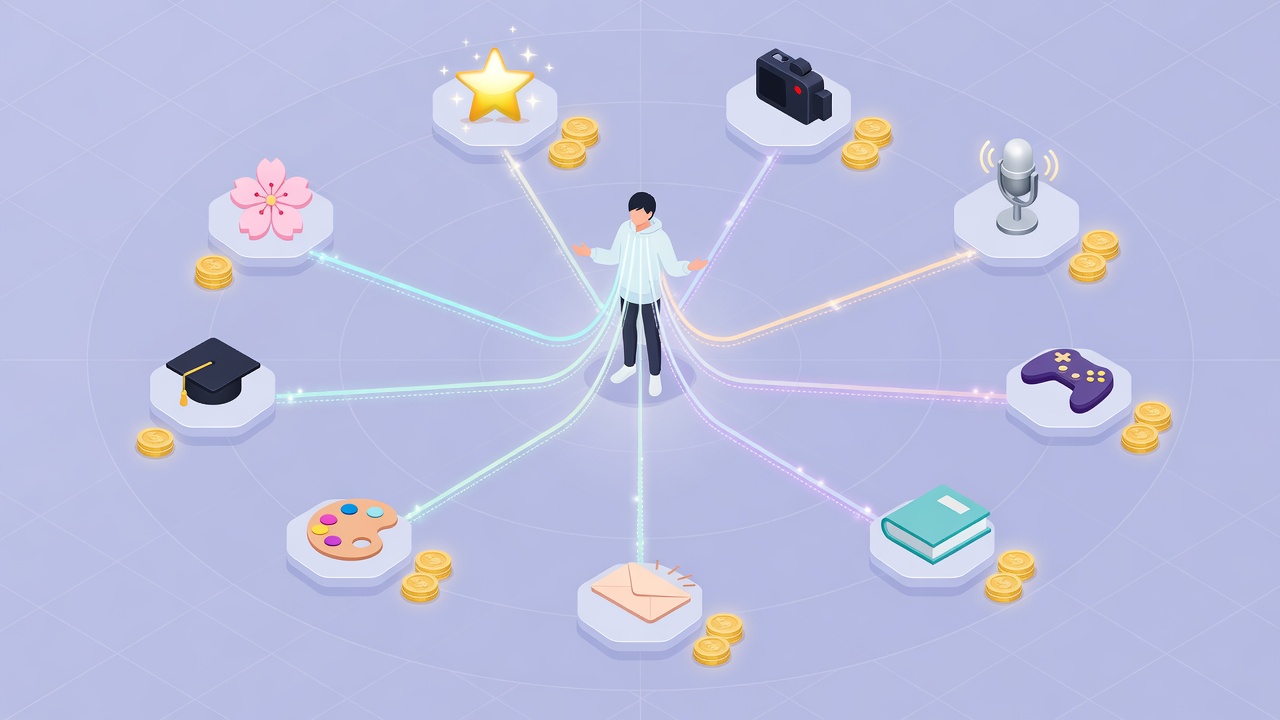
Creator Monetization Platforms 2026: Complete Guide by Category
How do creators make money in 2026? This guide covers 69 verified creator programs across 9 categories — video, streaming, music, gaming, writing, newsletter, beauty, education, and AI tools — with real payout rates and entry requirements.