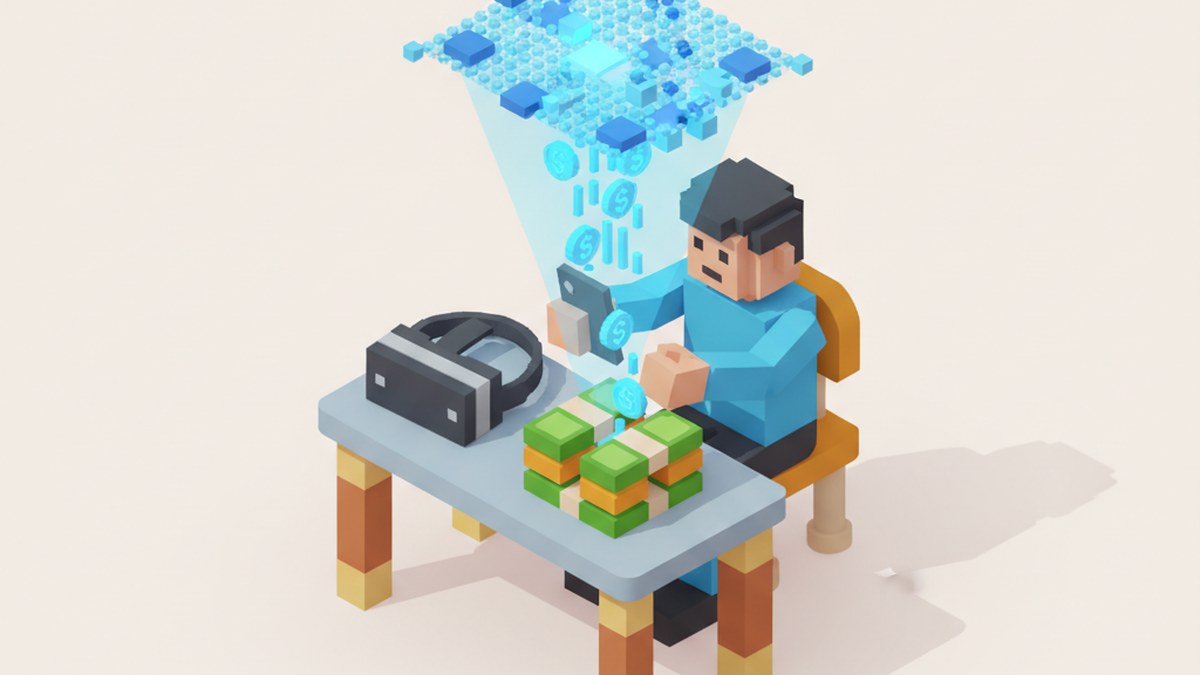
There are two honest answers to "how do I become a Meta Horizon creator," and most guides only give you the easy one. The easy answer: sign up with a Meta account, download the Worlds Desktop Editor, build a world, done. Meta says that takes about three minutes. The real answer is that in 2026 the how barely matters compared to the what, because Meta just moved the entire money side of Horizon Worlds to mobile. Build the wrong kind of world and you're building on a surface that's being switched off.
What 'becoming a Meta Horizon creator' means in 2026Joining is free, fast, and open to anyone 18+. Getting paid runs through a monthly bonus fund — and in 2026 that fund only rewards mobile worlds.
So let me give you both halves properly. I've watched a lot of platforms do the "we'll pay creators" dance, and Meta's version has a specific 2026 wrinkle you need to understand before you sink a weekend into it.
The part everyone gets right: joining is trivial
Here's the actual join flow, and it really is short. You go to the Meta Horizon Creator Portal from a desktop browser, sign in with a Meta account, open the Creator Program tab, review the overview, and enroll. You agree to the program terms, then download the Worlds Desktop Editor to build with. Publish one world and you're a Meta Horizon creator.
The requirements are refreshingly light. You need to be 18 or older, have a Meta account in good standing, and live in a supported country. That list started as the US, UK, and Canada and has expanded across Europe, Australia, New Zealand, and Taiwan. There's no follower minimum. Nobody checks whether you have an audience, which puts Horizon in the same "open front door" bucket as Roblox. If you're starting from zero, that's the appeal.
That's the whole "becoming a creator" step. It's genuinely open. The trap is assuming that publishing and earning are the same thing. They aren't, and the gap between them is where 2026 gets interesting.
The part that actually decides your income: monetization
Meta's Horizon money has two rails. The first is in-world purchases: you sell digital goods inside your world (cosmetics, power-ups, passes) and keep revenue when people buy them. The second is the bonus program, funded by the $50 million Creator Fund Meta announced in February 2025. Bonuses reward you for growing your world, and they're tied to how your world contributes to the ecosystem across time spent, retention, and in-world purchases.
One detail here is genuinely good and worth saying plainly: creator bonuses are paid to you in full and aren't subject to hardware platform fees. That's a nicer arrangement than most storefront cuts you'll see elsewhere.
The catch is that Meta doesn't publish a rate. There's no "$X per thousand visits" number I can quote you, because there isn't one. Meta's own language is that the bonus payout rate is not a fixed percentage and varies monthly based on ecosystem growth and how other worlds perform. So your best month and your worst month can look very different for the same world, and I'd be lying if I handed you an earnings estimate. Anyone who quotes you a firm Horizon payout figure is guessing.
Check the live eligibility and payout details before you build
See the full Meta Horizon requirementsThe 2026 shift you can't ignore: it's mobile now
This is the freshness that changes the whole calculus. Through 2025, Horizon Worlds was a VR-first thing you experienced in a Quest headset. In 2026 Meta is pivoting it to be almost exclusively mobile, and it's putting the money where the phones are.
Concretely, the VR Creator Bonus Program is winding down, with final bonus payouts for VR worlds landing in May 2026. Then, after June 15, 2026, Meta removes the Horizon Worlds VR app from the Quest store and turns off the ability to publish new VR worlds or update existing ones. Older VR worlds don't vanish, but they stop being where the incentives live. The Creator Fund is being pointed at mobile worlds, and the bonus structure is expanding to reward overall world engagement rather than just raw time in a headset.
Meta also added mobile milestone rewards, one-time payouts as your mobile world hits engagement growth, meant to get money to creators earlier instead of only rewarding the already-big worlds. It's a signal that Meta wants new builders on mobile badly enough to pay before you're huge.
What this means for you
If you're deciding whether to bother, here's how I'd actually play it.
Join now, because it's free and takes minutes, and because being early on a platform where the owner is spending $50 million to attract creators is a real edge. Low competition plus an active incentive budget is the exact combination that pays off before a platform gets crowded. Just go in clear-eyed about the rules.
Build for mobile from day one. Don't make a VR showcase and hope the bonuses find you. They won't; that program is ending. Design a world that's fun to open on a phone and easy to come back to, because retention and time spent are what the fund rewards.
Stand up an in-world economy early. Bonuses are unpredictable and vary monthly, so the piece you control is what you sell inside your world. Cosmetics, passes, and repeat-purchase items give you revenue that doesn't depend on Meta's monthly rate, and strong in-world purchases feed the bonus math too.
And do the boring compliance part right: opt into the bonus program each month (enrollment reopens roughly a week before a new month), keep your Meta account in good standing, and set up payout details before you expect a check. Missing a monthly opt-in is the silliest way to forfeit a bonus you earned.
Meta Horizon is one of the few metaverse platforms with an open door, no follower gate, and real money behind it — as long as you build the mobile version of the thing. If you want to see how that stacks up against the other big open-door builder economies like Roblox DevEx and Fortnite Creative/UEFN, or weigh it against the wider gaming creator programs, run the comparison before you commit a quarter to it. You can also sanity-check what your engagement might be worth in the Gemlist calculator.
Thinking about building a Horizon world?
See the live Meta Horizon Creator Program requirements, the countries it's open in, and exactly how the mobile bonus fund works — then decide if the metaverse bet is worth your next build.
Open the Meta Horizon breakdownFrequently asked questions
How do you become a Meta Horizon creator in 2026?
Sign in to the Meta Horizon Creator Portal from a desktop browser with a Meta account, enroll in the Creator Program, agree to the terms, and download the Worlds Desktop Editor. Then build and publish a world. Joining is open to anyone 18 or older in a supported country, and Meta says the sign-up itself takes about three minutes. Earning money is the separate part: you turn on monetization (in-world purchases) and opt into the monthly bonus program to become eligible for payouts from the Creator Fund.
Do you need a Quest headset to be a Horizon creator in 2026?
No, and in 2026 you actively shouldn't build VR-only. Meta is moving Horizon Worlds to a mobile-first platform. The VR Creator Bonus Program is winding down with final VR-world bonus payouts in May 2026, and after June 15, 2026 the Horizon Worlds VR app is being removed from the Quest store and you can no longer publish new or updated VR worlds. The Creator Fund and bonuses now point at mobile worlds, so build for phones.
How much does the Meta Horizon Creator Program pay?
Meta doesn't publish a fixed rate or a guaranteed dollar amount. Payouts come from a $50 million Creator Fund (announced February 2025) as monthly bonuses, plus revenue from in-world purchases of digital goods you sell. The bonus is not a fixed percentage; it varies month to month based on your world's time spent, retention, and in-world purchases relative to the rest of the ecosystem. One genuinely creator-friendly detail: creator bonuses are paid in full and aren't subject to hardware platform fees.
What are the requirements to join the Meta Horizon Creator Program?
Be 18 or older, have a Meta account in good standing, and live in a supported country (US, UK, Canada, and an expanded list across Europe, Australia, New Zealand, and Taiwan). You download the Worlds Desktop Editor and publish at least one world. There's no follower minimum. To collect bonuses you also have to opt into the bonus program, which is a monthly enrollment, and set up payout details.
Is Meta Horizon Worlds shutting down VR, and is it worth building on in 2026?
It's not shutting down, but it's changing surface. The VR app is leaving the Quest store after June 15, 2026 and the money is moving to mobile worlds. So it's worth building on if you build for mobile and treat it as an early, low-competition metaverse platform where Meta is actively spending to attract creators. It's not worth it if you only want to make VR-headset experiences, since that's the part being sunset.
More from Gemlist
How Many Watch Hours to Monetize YouTube in 2026
How many watch hours to monetize YouTube in 2026: 4,000 valid public hours in 12 months plus 1,000 subs for ad revenue, or 3,000 hours at 500 subs for fan funding.
Creator Monetization Platforms 2026: Complete Guide by Category
How do creators make money in 2026? This guide covers 69 verified creator programs across 9 categories — video, streaming, music, gaming, writing, newsletter, beauty, education, and AI tools — with real payout rates and entry requirements.

How Much Does Ream Stories Take? Author Fees & Payouts (2026)
How much does Ream Stories take from authors? A flat 10% platform fee plus standard card processing (~2.9% + $0.30). Free to start. Here's the real math.