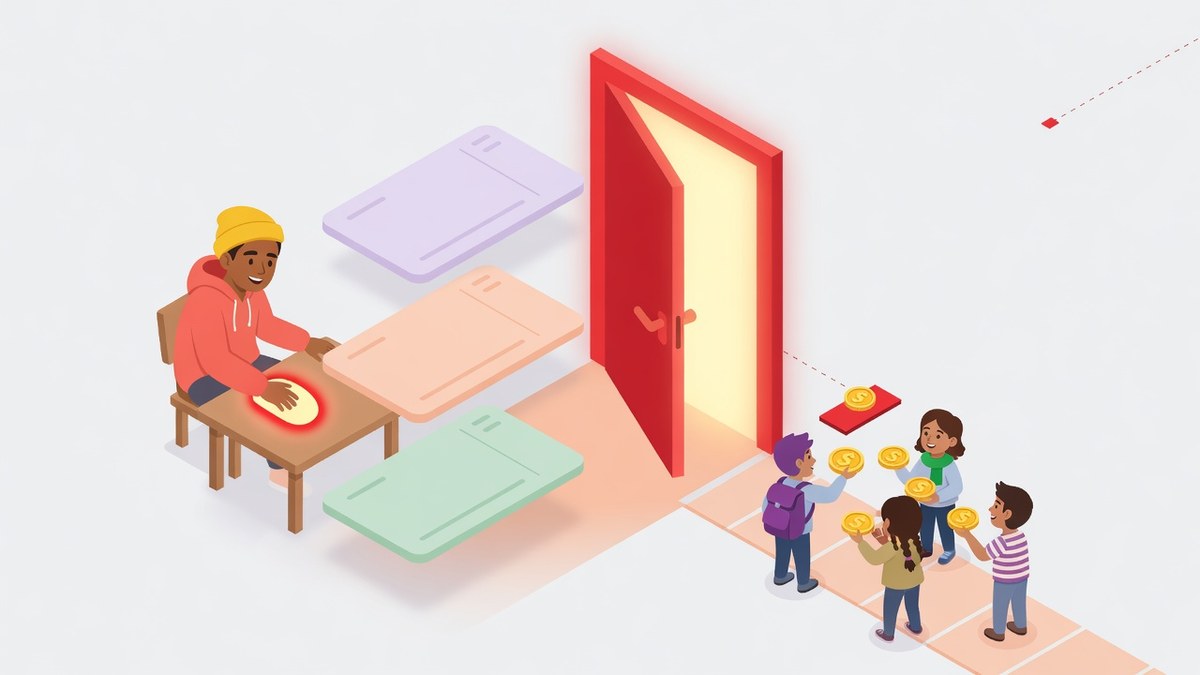
If you're asking how to start a Patreon, here's the short version: you sign up for free, build a page, set up membership tiers, and you're live in an afternoon. There's no application, no approval committee, and no follower minimum. Patreon says it plainly on its own pricing page, it's free to start and you only pay when you start earning.
So the "how do I get in" part barely exists. The real question, the one worth your attention, is what happens after you open the account: what it costs when money starts moving, what Patreon won't do for you, and what a beginner can honestly expect to make. Let me walk through all of it.
Starting is genuinely open
There's no gate on the entry itself. Creating a Patreon account is free, it's open to all, and it works worldwide. You need to agree to Patreon's Terms and Privacy Policy at signup, and that's the whole barrier. No portfolio review, no follower threshold, no waiting list. Over 250,000 creators already build on the platform, and every one of them started by clicking the same free "create" button you can click today.
The confusion I sometimes hear is people expecting Patreon to work like YouTube's Partner Program or TikTok's rewards, where you clear a subscriber or view threshold before you're allowed to earn. Patreon isn't that. It's a membership platform, not an ad-revenue program, so there's nothing to qualify for. If you can make something a fan would pay a few dollars a month to support, you can open a Patreon for it now.
How to actually start it, in three steps
The mechanics are quick. Here's the shape of it.
1. Create the page. Sign up with an email (or Google, Apple, Facebook), name your Patreon, and describe what you make. This is the free part, and it takes minutes.
2. Build your tiers and benefits. This is where the real thinking goes. You set membership tiers at monthly (and optionally annual) prices, and each tier promises a concrete benefit: early access, behind-the-scenes posts, a monthly Q&A, bonus episodes, a community chat. You can also publish audio, images, rich text, native video, livestreams, and email newsletters right in your space. One-time payments are an option too, if recurring isn't the right fit.
3. Turn on payments. Here's a genuine advantage over some rivals: you don't set up Stripe or wrangle tax paperwork. Patreon handles payments, chargebacks, disputes, fraud, and most tax collection itself, and supports 16+ currencies for both pay-ins and payouts. You connect your payout details and you're ready to take money.
The full Patreon fee breakdown and requirements, verified
See the Patreon program detailsWhat it costs once money moves
Free to start is true. The fee shows up only when fans start paying, so here's the number to plan around.
If you sign up as a new creator (Patreon moved to this model on August 4, 2025), you pay a flat 10% of the income you earn on Patreon. On top of that sit payment processing, currency conversion, and payout fees, plus any applicable taxes. Patreon lists these as separate from the 10% and manages them for you rather than pushing you to set up your own payment stack.
| What | The cut |
|---|---|
| Patreon platform fee (new creators) | 10% flat of income earned |
| Payment processing / currency / payout fees | Additional, varies by transaction |
| Applicable taxes | Collected/remitted by Patreon where required |
| Legacy plans (older accounts) | 5% Lite · 8% Pro · 12% Premium instead of flat 10% |
So a new creator keeps roughly 90% before processing, and legacy accounts land somewhere between 88% and 95% depending on their plan. That's the honest arithmetic. What you're buying with the fee is the thing plenty of creators underrate: Patreon absorbing chargebacks, fraud, and tax compliance so you don't build a billing operation to run a membership.
How much do beginners actually make?
Straight answer: Patreon doesn't publish per-creator income, so anyone handing you a precise "beginners make $X" figure is guessing, and I won't. What I can tell you is how the math behaves.
Memberships compound. A small group paying every month beats a big group that watches once and leaves, because recurring revenue stacks instead of resetting. That's why the retention-over-reach framing matters so much for a beginner. Ten committed members at a $5 tier is a more durable start than a viral post that converts nobody. A sane early goal is your first handful of paying members at one clear tier with a benefit you can deliver reliably, then widen from there. Chasing a full-time income in month one is how people burn out and quit.
Who it's for, and who should wait
Start a Patreon if you already have an audience somewhere, even a modest one, and you make something worth paying to support on an ongoing basis: a podcast, a comic, a YouTube channel, a newsletter, art, music, tutorials. Converting even a slice of an existing following into monthly members is exactly what Patreon is built for.
Hold off if you have no audience anywhere yet. Patreon won't be the thing that finds you readers or viewers. Build the audience first on a platform with discovery, then bring them to Patreon to pay you.
If the 10% or the model doesn't fit, it's worth comparing before you commit. Ko-fi leans toward tips and one-off support with a different fee structure, and Fourthwall bundles memberships with merch if you sell physical products. The right pick depends on what you make and where your people already are:
I wrote a similar honest breakdown for whether anyone can start a Substack if newsletters are more your medium, and if you're still fuzzy on the difference between a gated creator "fund" and an open, self-serve program like this one, creator fund vs creator program untangles it.
The bottom line
- Best for
- Creators converting an existing audience into recurring members
- Pay model
- New creators keep ~90% (10% flat fee) + processing
- Access
- Open to all, free to start, no followers required
Starting a Patreon is one of the lowest-friction moves in the creator economy: free, open, worldwide, live in an afternoon. Just go in knowing the fee kicks in when fans pay, and that Patreon hands you the tools, not the audience.
So, how do you start a Patreon? Sign up free, build tiers people actually want, turn on payments, and bring the fans yourself. The entry is the easy part. The membership you build on top of it is where the real work, and the real income, lives.
Free to start, 10% when you earn — see the full Patreon breakdown
The exact fees, requirements, and what Patreon handles for you, verified against the live listing on Gemlist.
Check the Patreon program detailsFrequently asked questions
Do you need followers to start a Patreon in 2026?
No. There's no follower minimum and no application to start a Patreon. It's open to all, worldwide, and free to create a page. You sign up, agree to Patreon's Terms, and you can publish and set up paid memberships right away. The catch isn't getting in, it's that Patreon won't send you an audience. Your first paying members almost always come from somewhere you already have people: a YouTube channel, a podcast, a newsletter, or a following on another platform. Starting is open to anyone; getting patrons is the real work.
Is Patreon free to start?
Yes. Patreon states it plainly on its pricing page: it's free to start and you only pay when you start earning. You can build a creator page, publish posts, and set up membership tiers without paying anything upfront or monthly. Patreon only takes a cut once fans actually pay you. If you never charge, you never owe Patreon a cent.
How much does Patreon take from creators?
For creators who signed up after August 4, 2025, Patreon charges a flat 10% of the income you earn on the platform. On top of that come payment processing, currency conversion, and payout fees, plus any applicable taxes, all of which Patreon handles for you rather than making you set up Stripe. Legacy creators on the older plans pay 5% (Lite), 8% (Pro), or 12% (Premium) instead of the flat 10%. Either way, Patreon manages chargebacks, disputes, fraud, and most tax collection behind the scenes.
How much do beginners actually earn on Patreon?
Patreon doesn't publish per-creator income figures, so anyone quoting you a precise beginner number is guessing. What's true from how the platform works: Patreon rewards retention over reach. A small, committed audience paying every month often out-earns a large casual one, because recurring memberships compound. A realistic early goal is a handful of paying members at a clear, concrete tier, then growing from there, rather than expecting a full-time income in month one.
Can you get rejected or banned from Patreon?
There's no approval queue to start, so you can't really be 'rejected' at signup. But you can be removed later. Patreon can take action for violating its Terms or content policies, for not delivering the benefits you promised your members, or for directing patrons to pay you off-platform to dodge fees. Start clean: only promise perks you can actually deliver, and keep payments on Patreon.
More from Gemlist
How Many Watch Hours to Monetize YouTube in 2026
How many watch hours to monetize YouTube in 2026: 4,000 valid public hours in 12 months plus 1,000 subs for ad revenue, or 3,000 hours at 500 subs for fan funding.
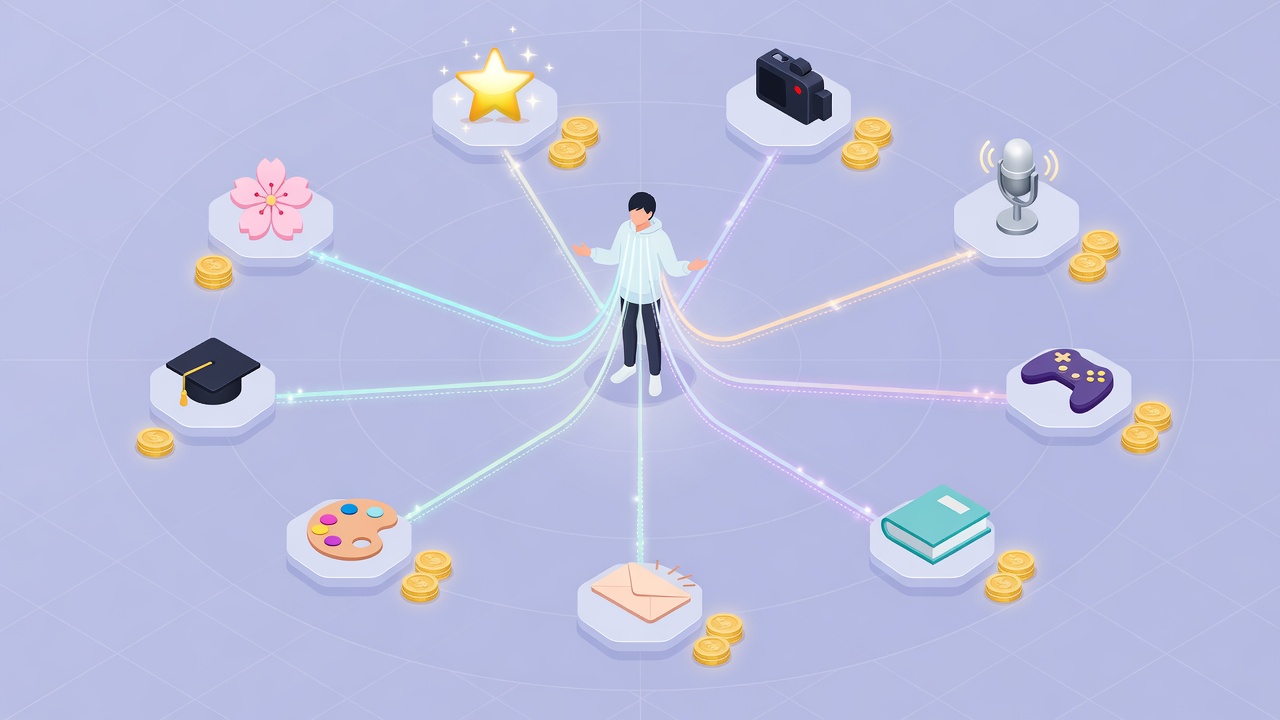
Creator Monetization Platforms 2026: Complete Guide by Category
How do creators make money in 2026? This guide covers 69 verified creator programs across 9 categories — video, streaming, music, gaming, writing, newsletter, beauty, education, and AI tools — with real payout rates and entry requirements.
How Much Does Ream Stories Take? Author Fees & Payouts (2026)
How much does Ream Stories take from authors? A flat 10% platform fee plus standard card processing (~2.9% + $0.30). Free to start. Here's the real math.