Deep Dive
How Many Watch Hours to Monetize YouTube in 2026
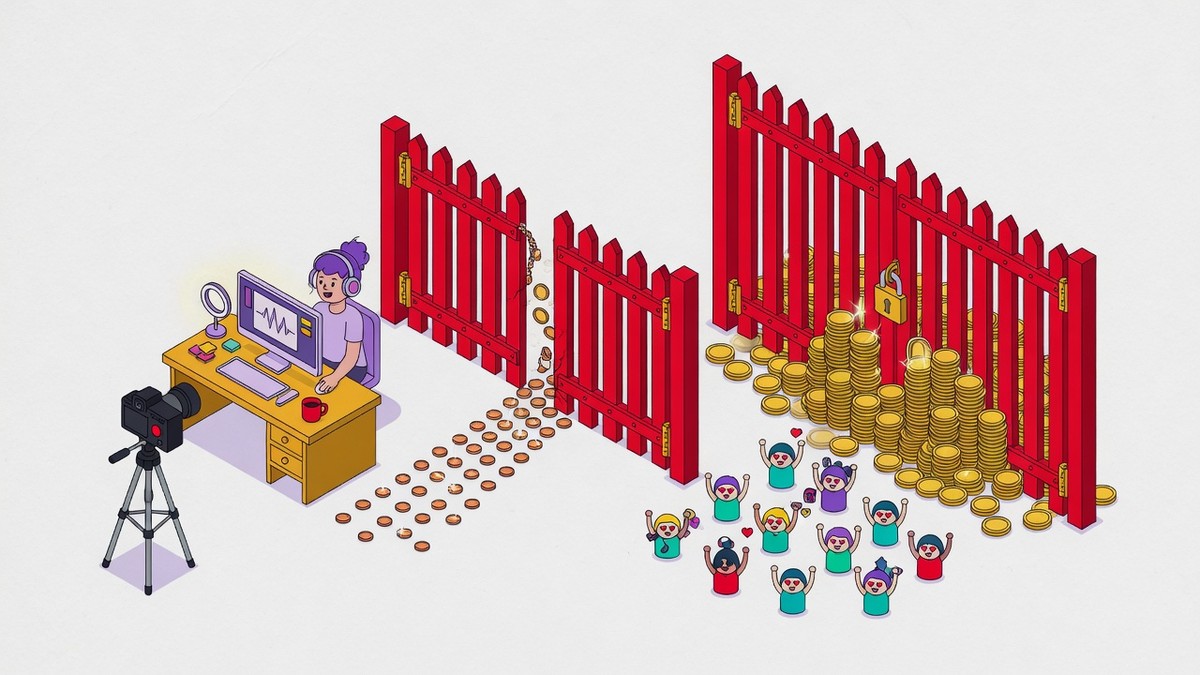
How many watch hours to monetize YouTube in 2026: 4,000 valid public hours in 12 months plus 1,000 subs for ad revenue, or 3,000 hours at 500 subs for fan funding.
Sam6 min read
Topic
52 articles on monetization.
Start with How Many Watch Hours to Monetize YouTube in 2026
How many watch hours to monetize YouTube in 2026: 4,000 valid public hours in 12 months plus 1,000 subs for ad revenue, or 3,000 hours at 500 subs for fan funding.
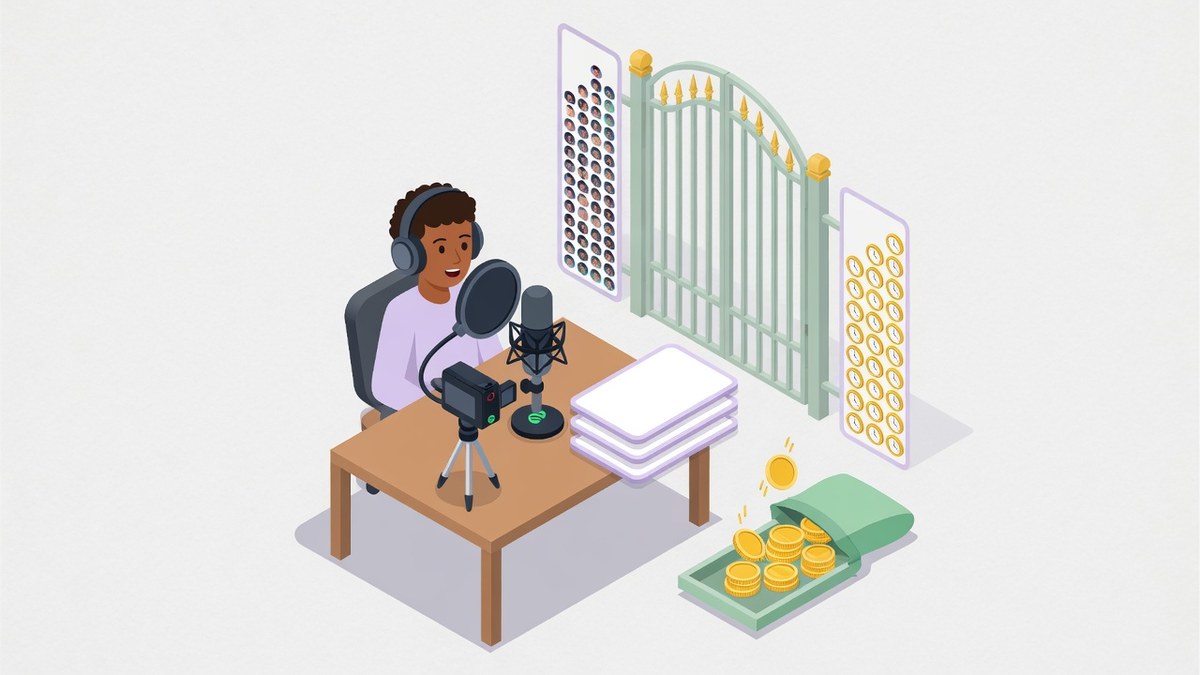
Spotify Partner Program requirements 2026: 3 episodes, 2,000 consumption hours, and 1,000 audience count in 30 days. Spotify cut the bar ~80% in January. Full breakdown.
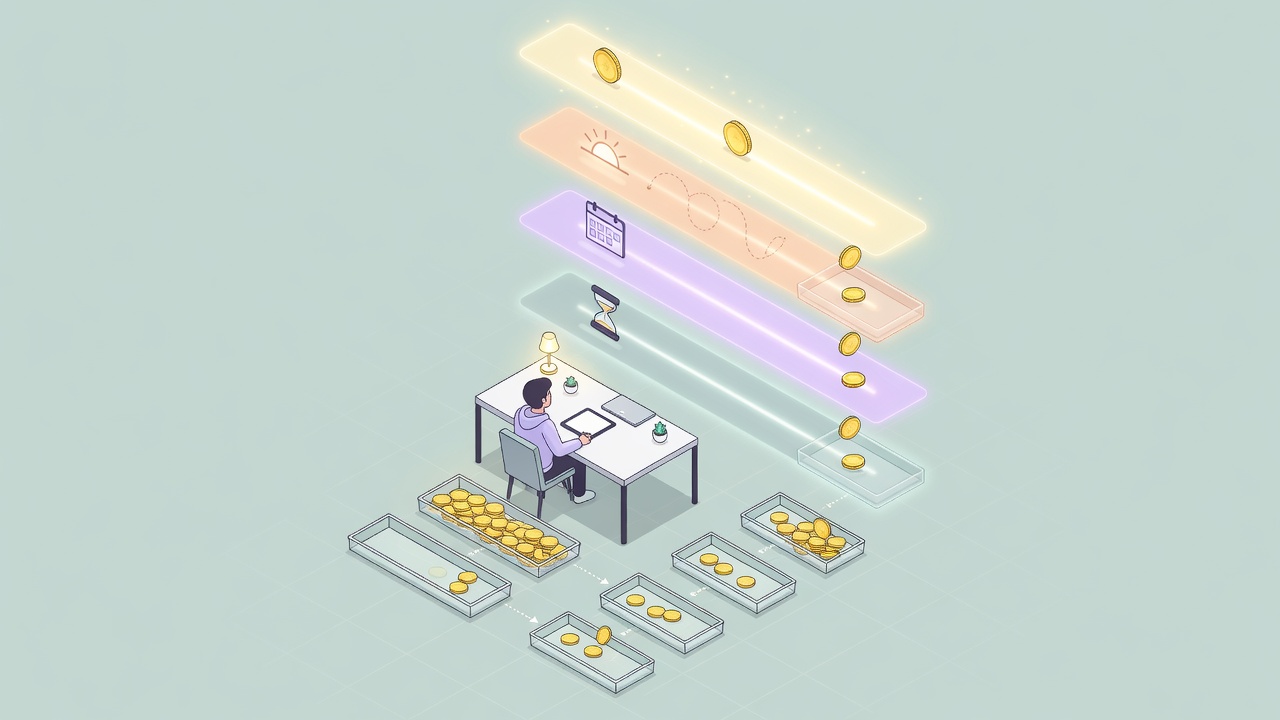
Ko-fi pays instantly. UnitedMasters SELECT pays daily. Fanfix pays weekly. YouTube pays monthly. Here's the complete 2026 guide to creator program payout speeds — verified, side-by-side.
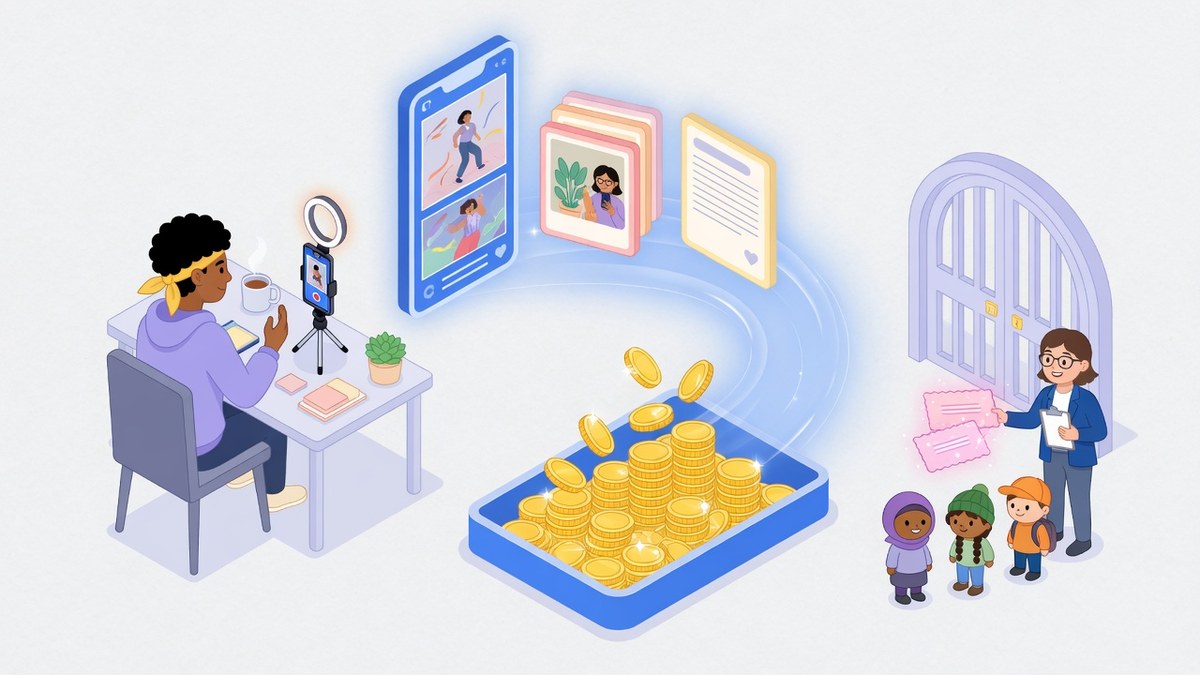
How to get Facebook Content Monetization in 2026: it's invite-only, so here's how to express interest, qualify, and land on Meta's next invite wave.
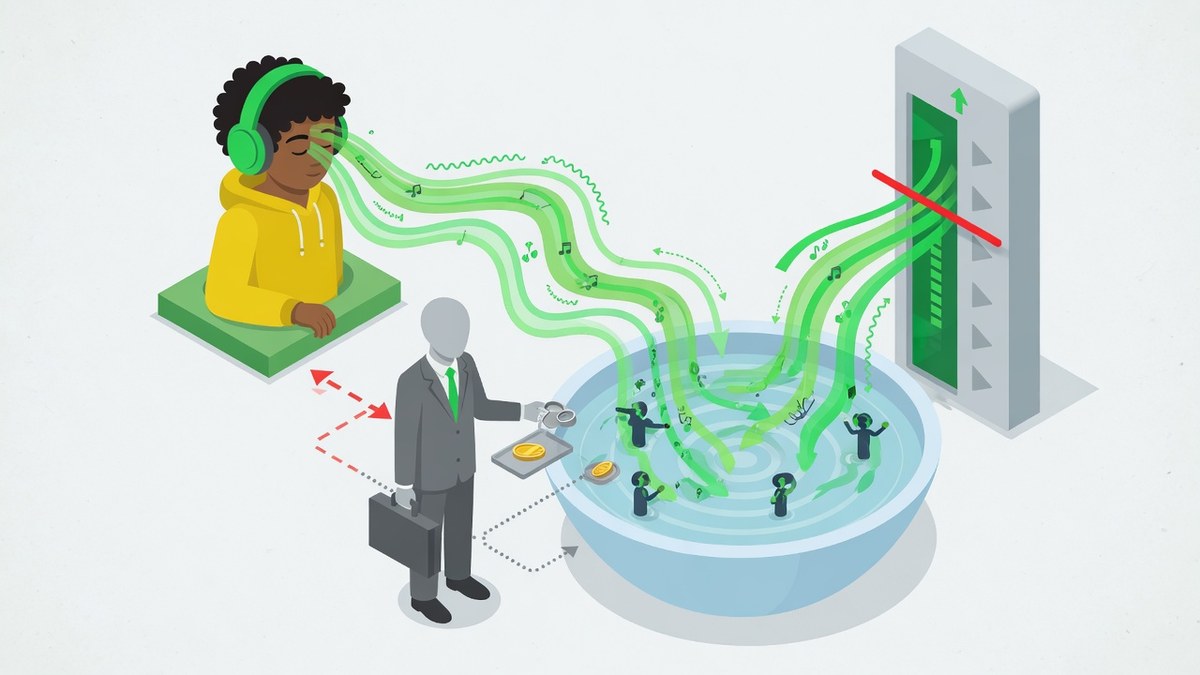
Do artists get paid from Spotify? Yes, but never directly and never per-stream. Royalties flow through your label or distributor, and tracks need 1,000 streams a year to earn at all. The real 2026 rules.
OnlyFans takes a flat 20% from all earnings — subscriptions, tips, PPV, and custom content. You keep 80%. Here's the real math plus 5 alternatives that charge less.
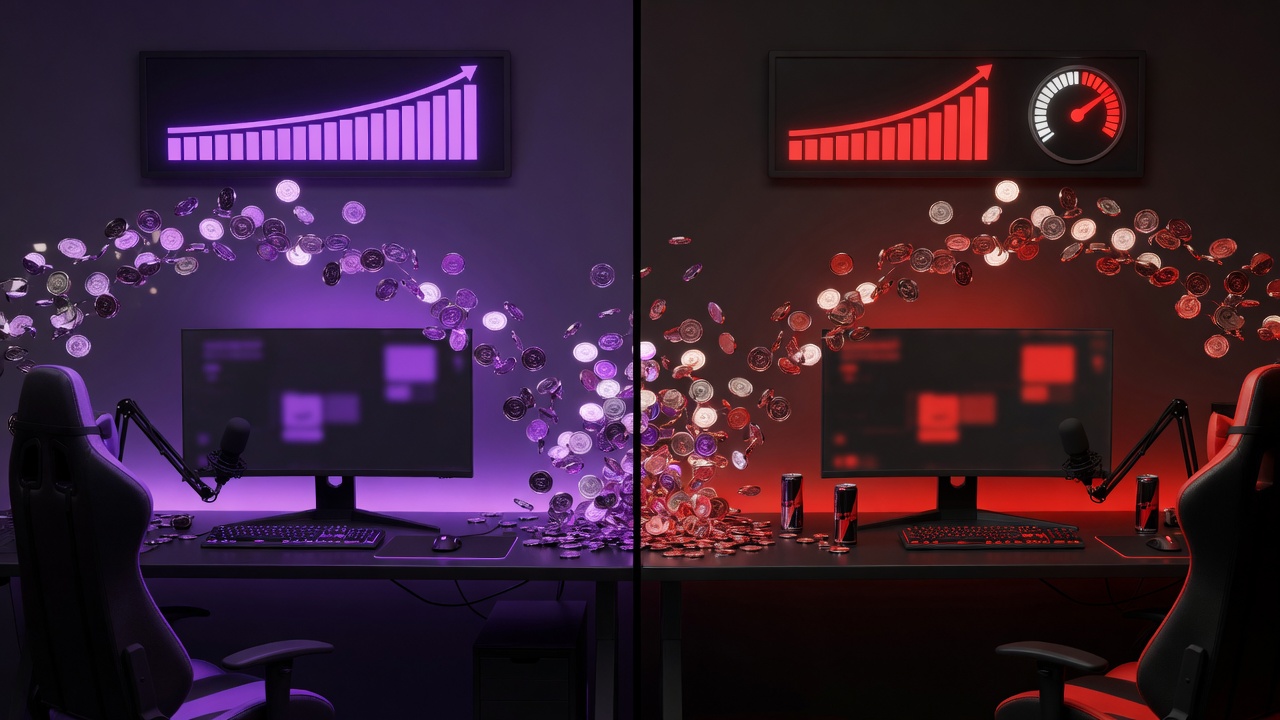
Twitch pays $2.50 per Tier 1 sub on a 50/50 split. YouTube pays 55% of ad revenue from your first day in YPP. For small streamers, YouTube's ad model often outpays Twitch's sub model — here's the breakdown.
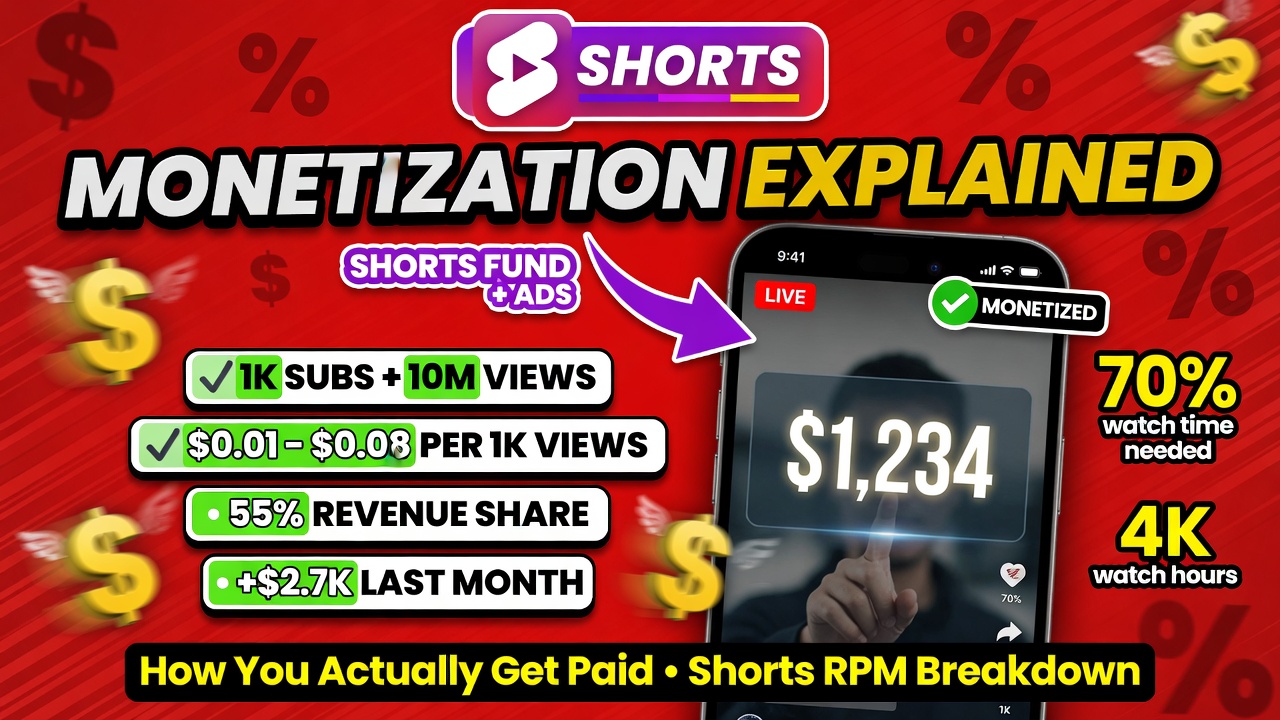
YouTube Shorts pays 45% of ad revenue — but the per-view rate is far lower than long-form. Here's what Shorts creators actually earn and what it takes to qualify.
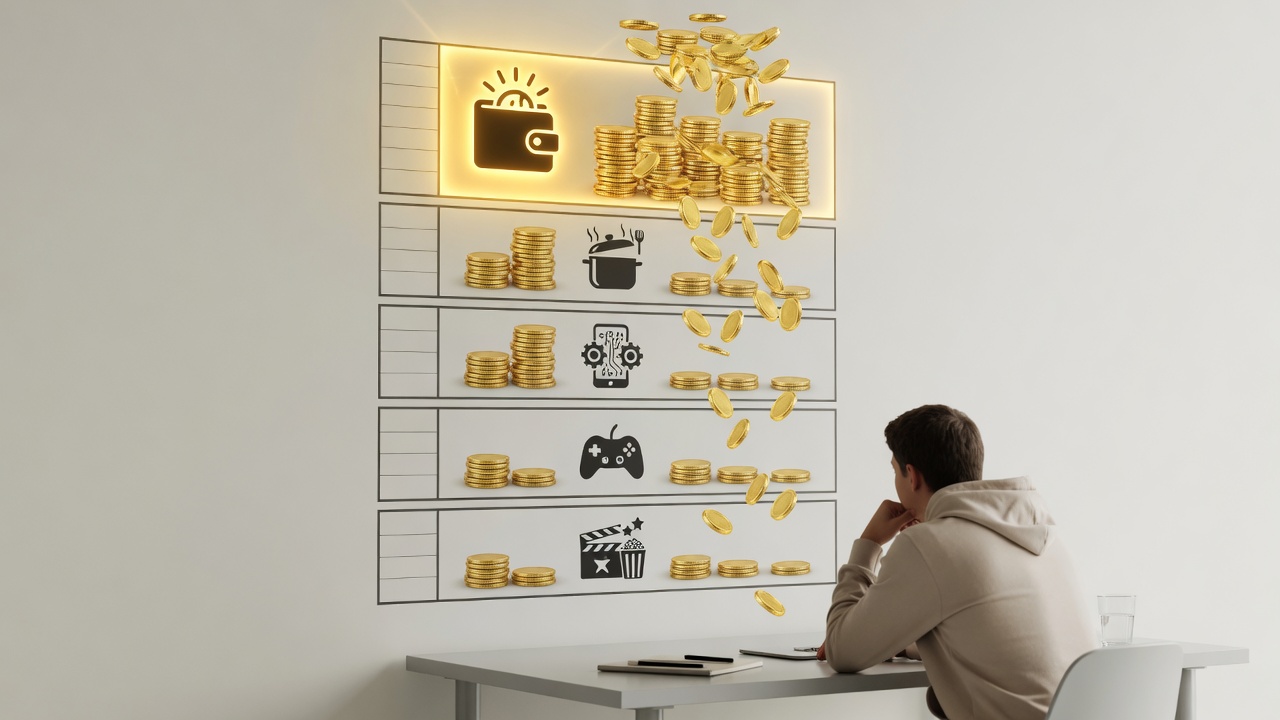
YouTube RPM varies wildly by niche. Finance channels report $10–$30. Gaming lands at $1–$4. Here's what creator-reported data shows for 9 major content categories.

Instagram has no follower minimum for most tools — but the Reels bonus requires 5 million views per month for 3 consecutive months and an invitation. Here's every requirement, verified.

Medium pays writers through its Partner Program based on member reading time and engagement points — no fixed per-story rate. Here's exactly how the money works, the requirements, and what writers actually earn.
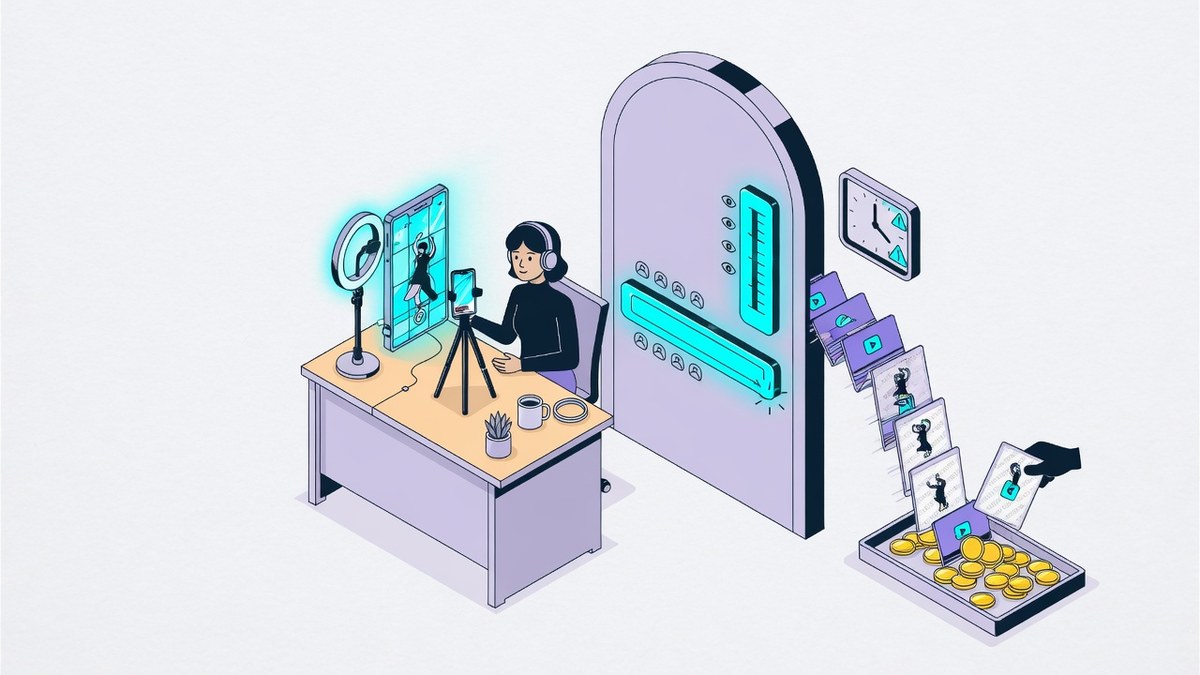
TikTok Creator Rewards requirements 2026: 10,000 followers, 100,000 views in 30 days, videos over one minute, and the account rule that quietly disqualifies most people.
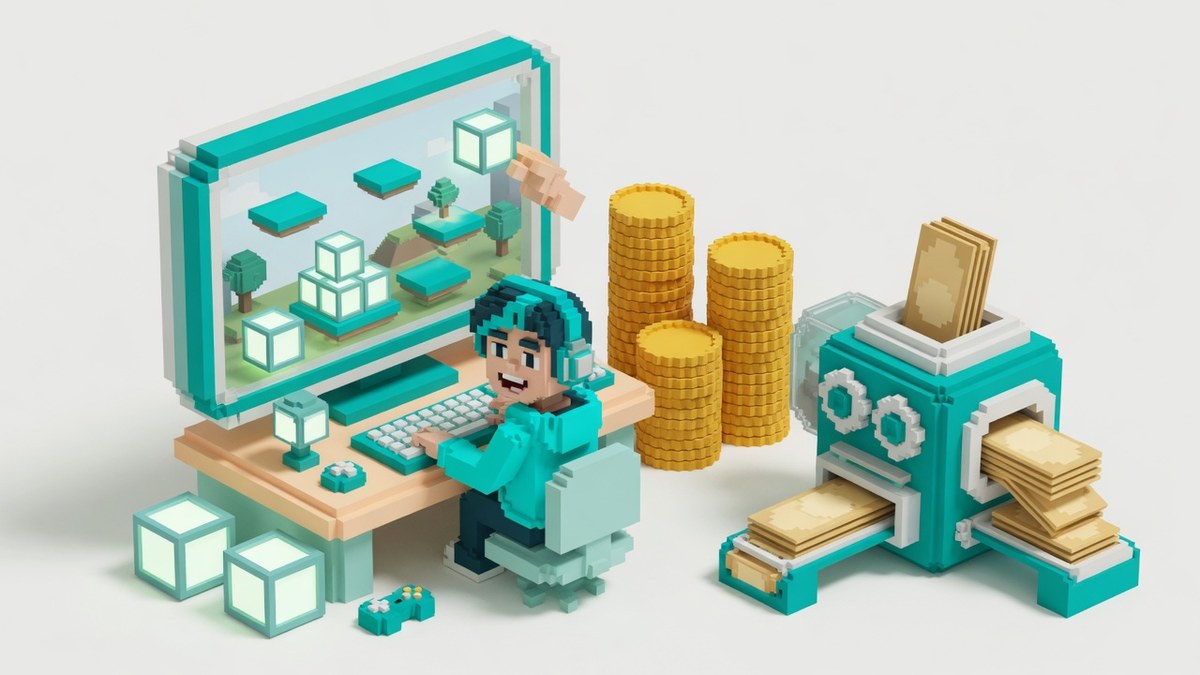
Core Games pays creators a 50% revenue share on in-game Perks sales — higher than Roblox and most UGC platforms. No follower minimum, no upfront cost. Here's how the earnings work and who it's actually for.
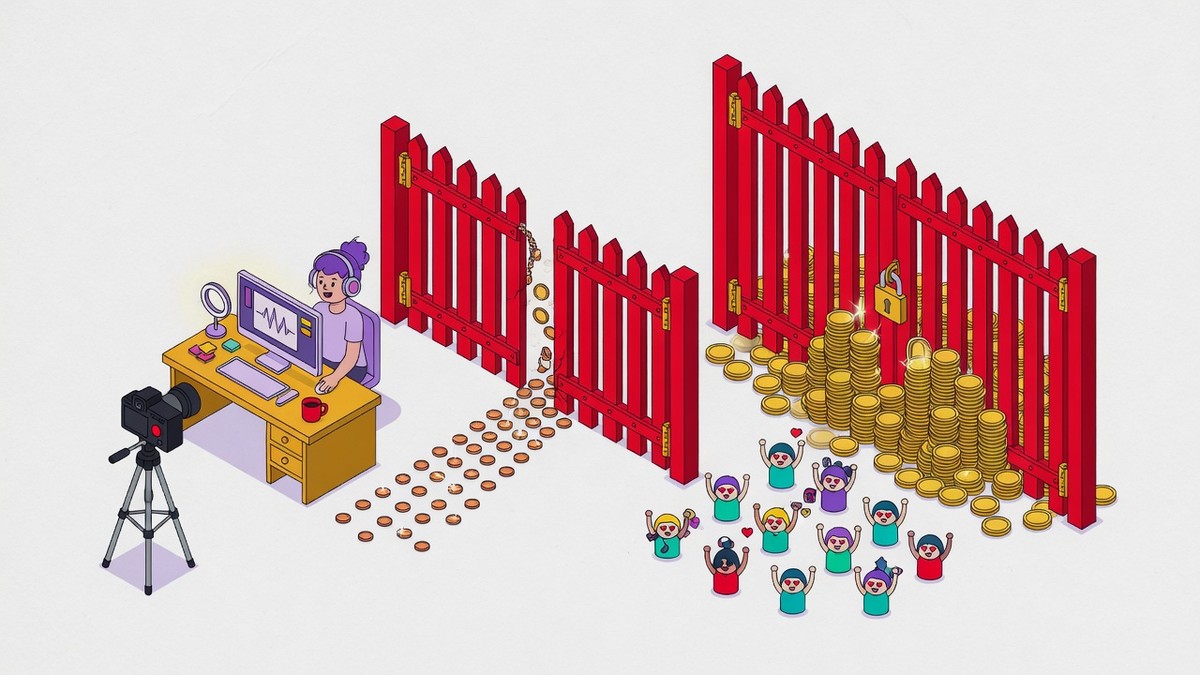
How to join the YouTube Partner Program in 2026: 500 subscribers for fan funding, or 1,000 subs + 4,000 watch hours (or 10M Shorts views) for ad revenue.
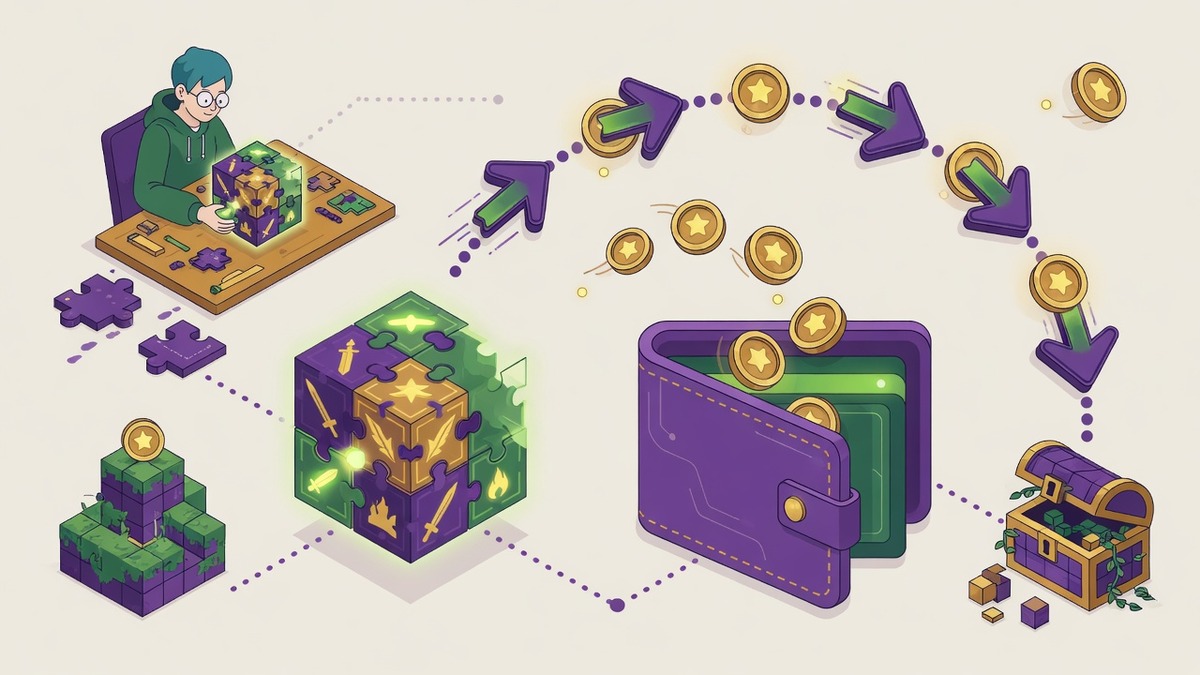
CurseForge pays mod creators $0.05 per point from a monthly download-based pool, with 70% of revenue going to creators. Here's exactly how the points system works and what you can realistically earn.
Passes takes 10% of your earnings — you keep 90%. That's lower than OnlyFans (20%), Fanvue (15–20%), and Fanfix (20%). Here's how the fee works, what creators earn, and who it's actually built for.
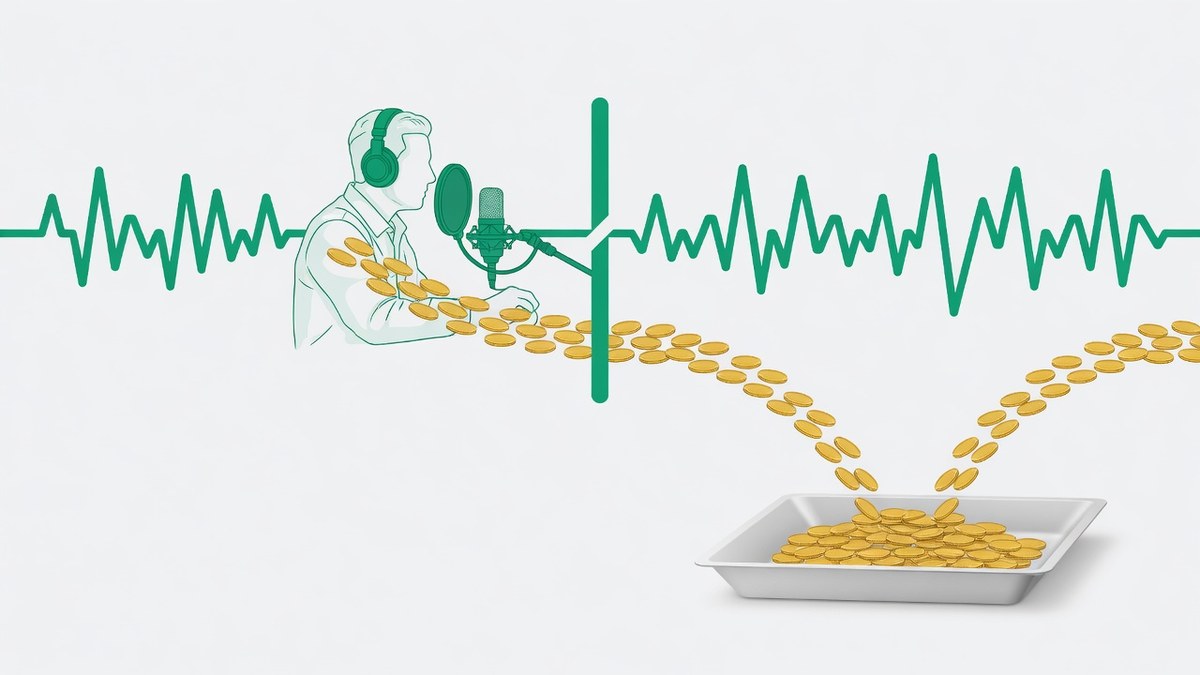
Spotify pays podcasters a 50% share of Spotify-monetized ad revenue per episode. No official per-show rate is published — but here's exactly how the money works, what the thresholds are, and what real creators earn.
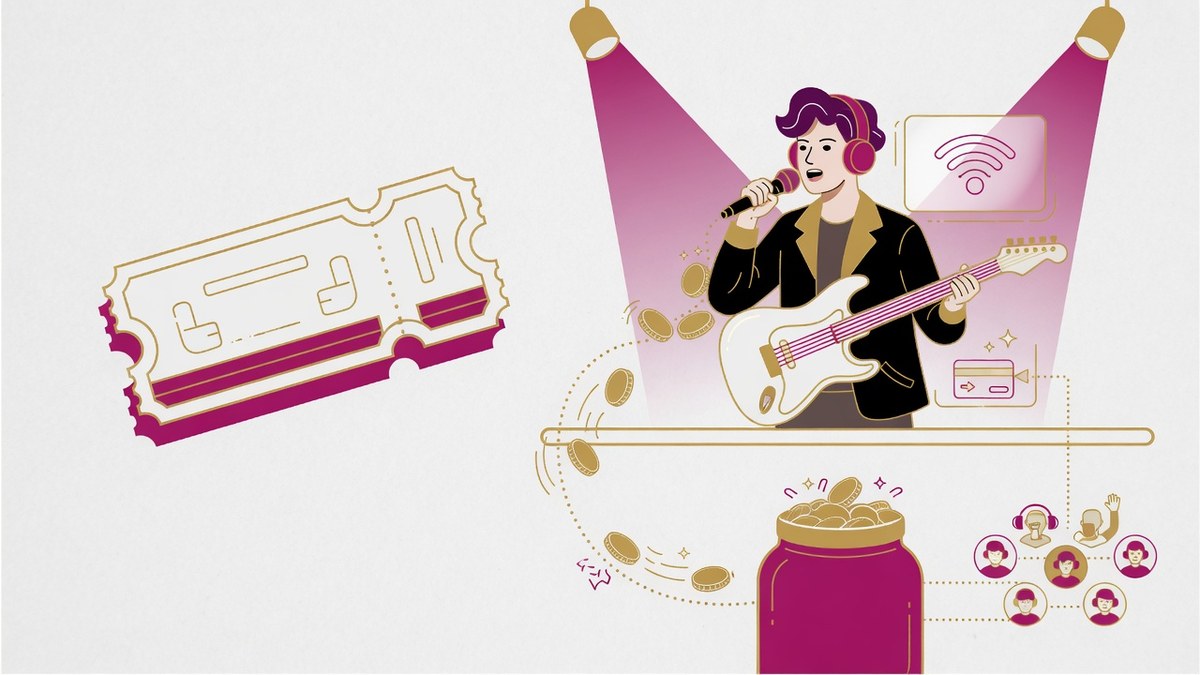
Stageit pays performers 73% of every dollar earned from ticket sales and tips. Stageit keeps 27% and covers all processing, royalty, and hosting fees. Here's how the platform works and what you can actually earn.
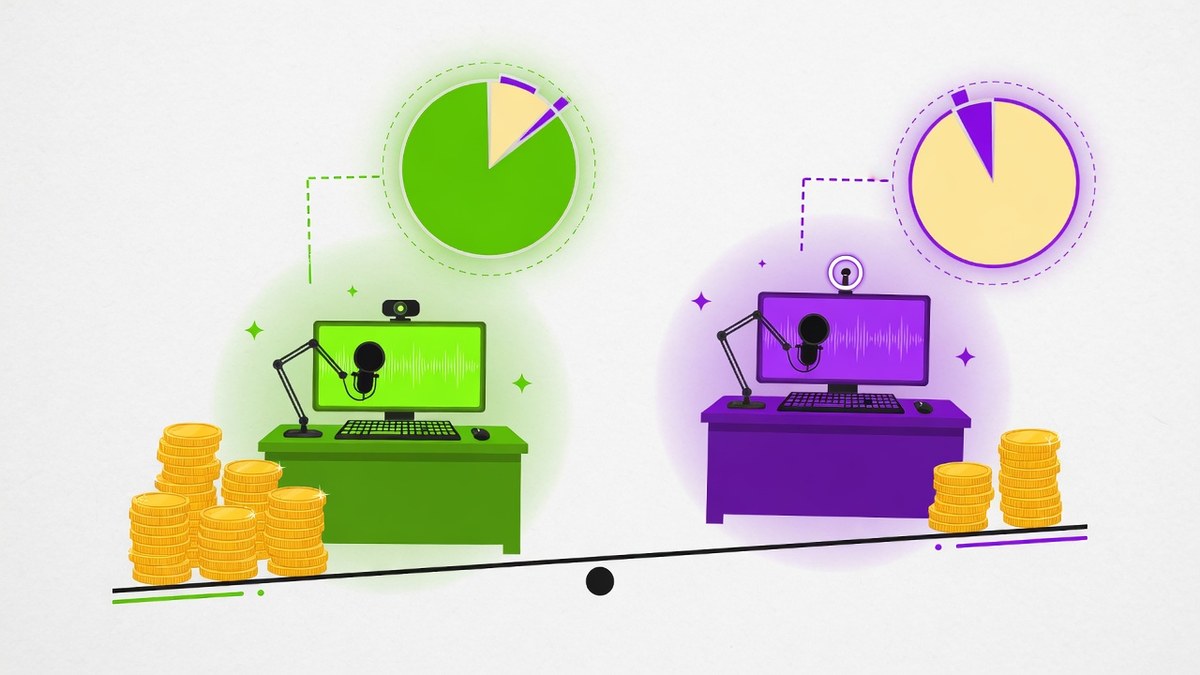
Kick pays 95/5 ($4.75/sub). Twitch pays 50/50 ($2.50/sub). For subscription revenue Kick wins by nearly 2x — but Twitch has 10x the audience and a lower entry bar. Here's when each platform makes sense.
CashWorldwideApplication

TikTok pays $0.40–$1.00 per 1K qualified views. Instagram has no per-view rate — creators earn through invite-only bonuses and brand deals. Here's when each platform wins.
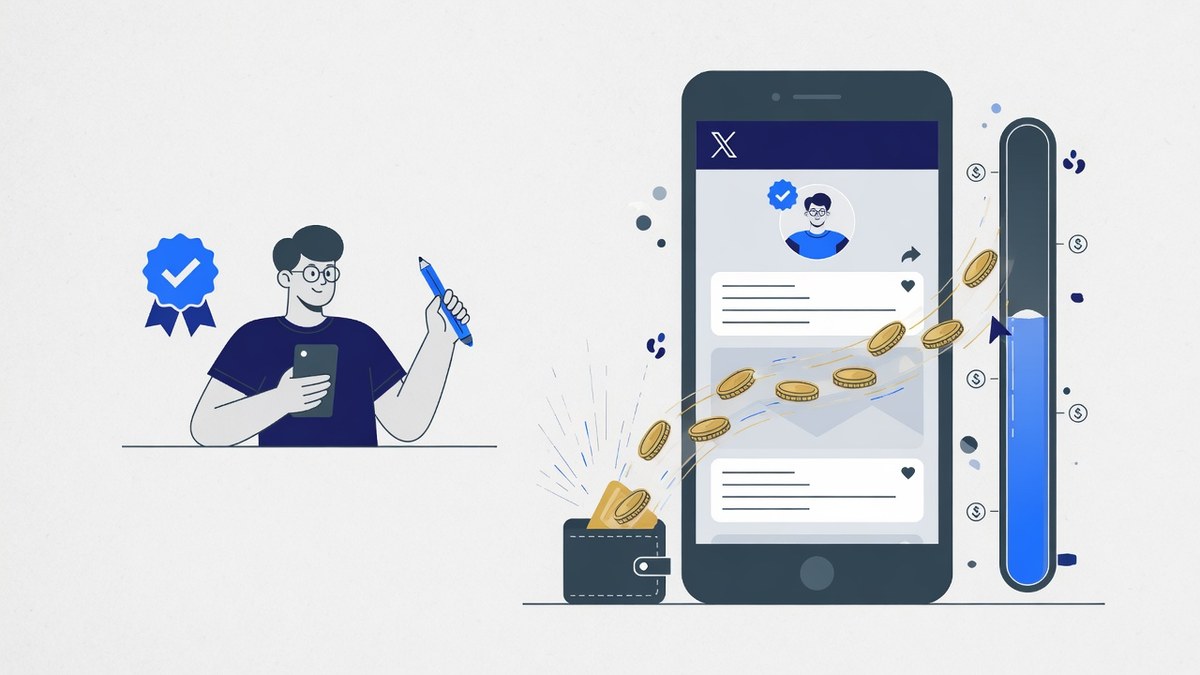
X Creator Revenue Sharing requirements in 2026: an active Premium sub, 500 verified followers, and 5M organic impressions in 90 days — all at once. Here's the full bar.
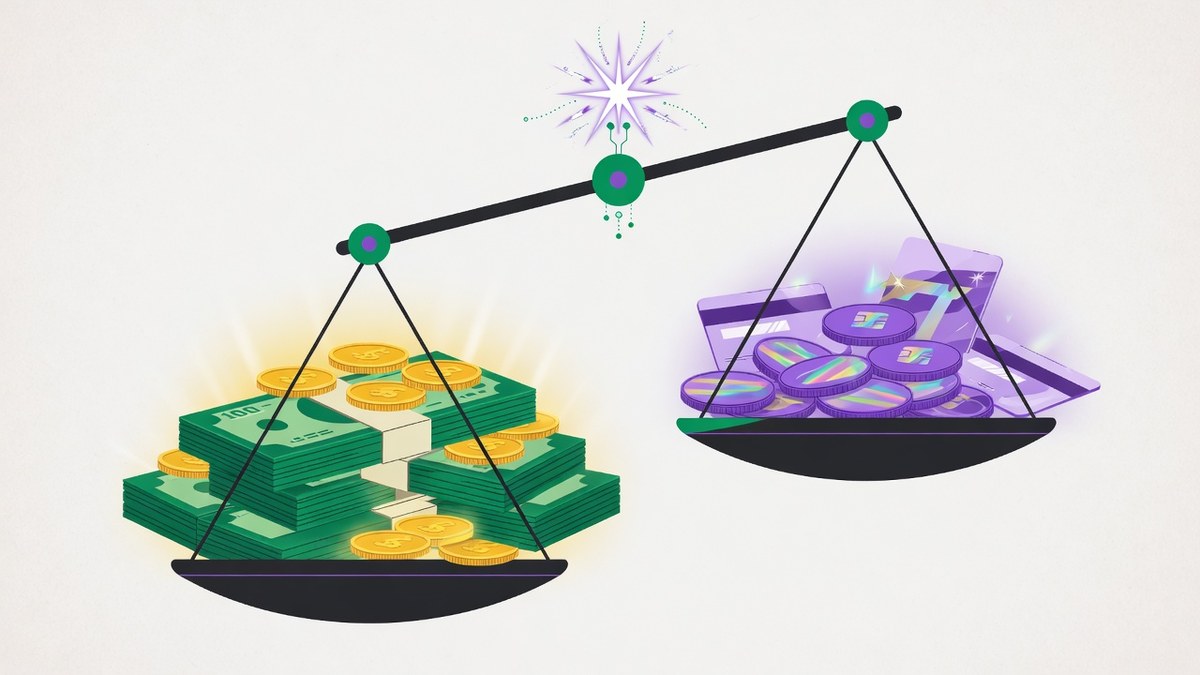
Only 5 of 9 major AI creator programs pay real cash in 2026. Here's the full breakdown: who pays, what they pay, and who only gives credits or tools.

Snapchat doesn't publish an official per-view rate. Based on creator disclosures, Spotlight pays far less than TikTok. Here's the full structure, requirements, and honest earnings picture.
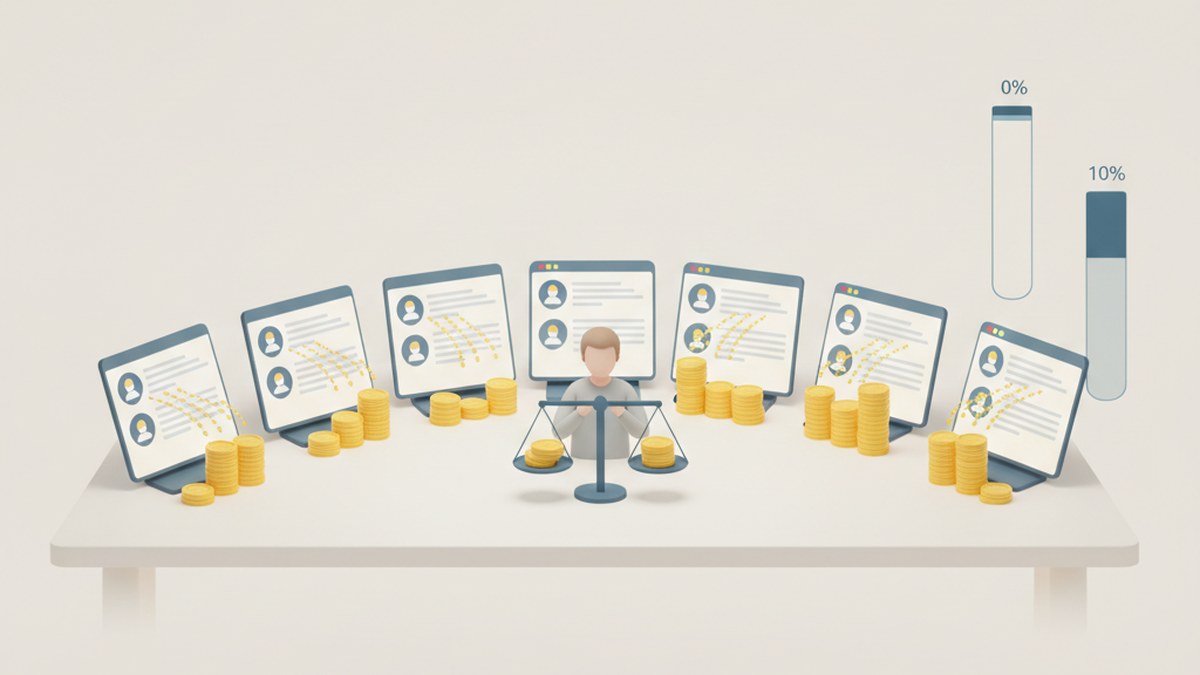
beehiiv, Substack, Patreon, Ko-fi, Fourthwall, Fanvue, Fanfix — compared by fee, follower gate, and payout. Which newsletter or subscription platform actually keeps more in your pocket?
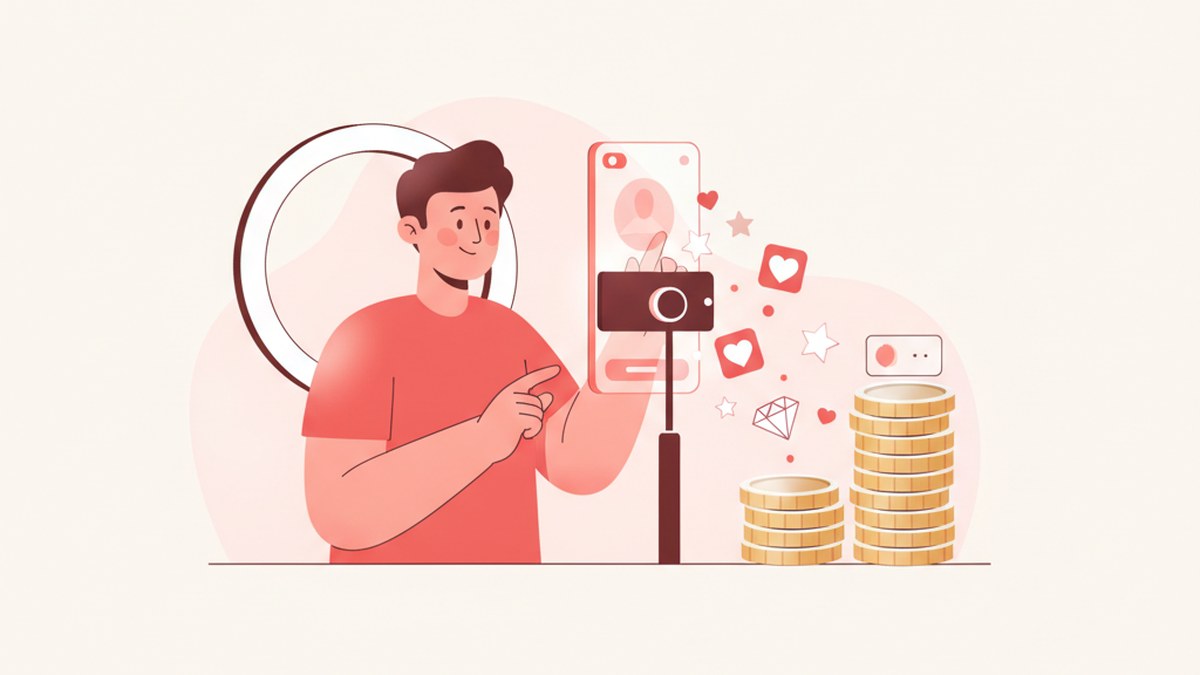
Clapper pays creators through live virtual gifts and paid subscriptions — no follower minimum required. Beginners report $10–$200/month; top creators earn $3,000+/month. Here's how the money actually works.
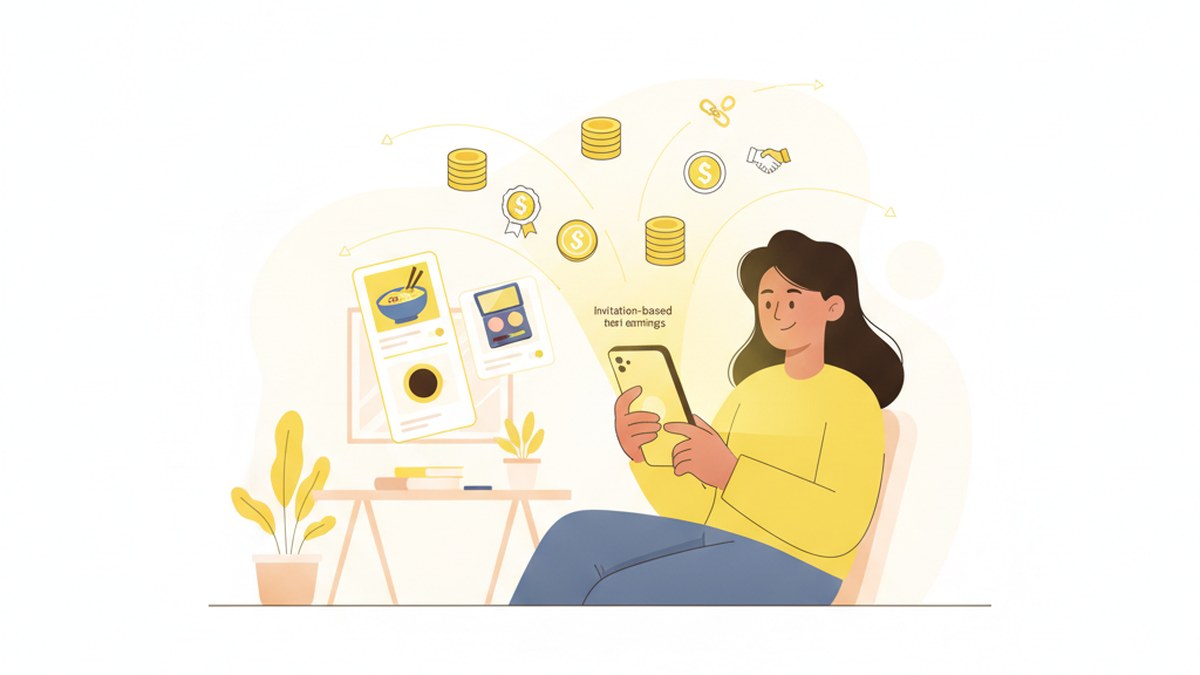
Lemon8 runs invite-only creator programs with paid bonuses and brand sponsorship deals. Beginners report $50–$100/month; top creators with brand partnerships earn $500–$2,000+/month. No follower minimum required.
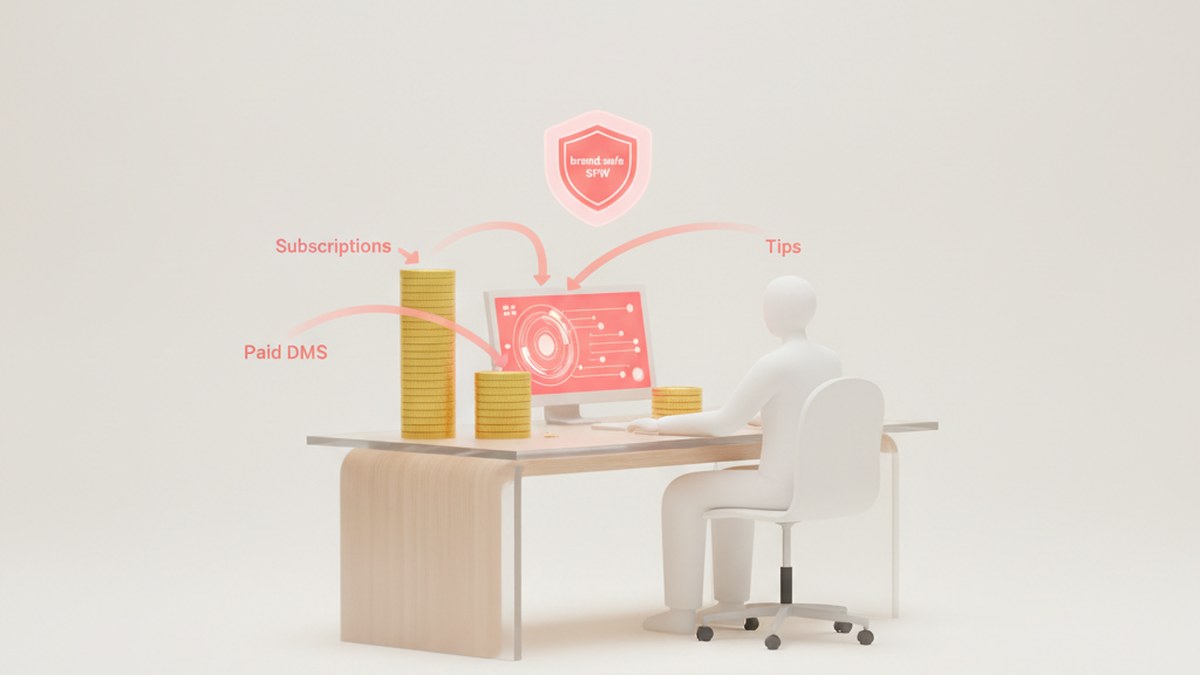
Fanfix takes 20% of everything you earn — subscriptions, tips, DMs, and pay-per-view. Here's what you keep, who qualifies, and what Fanfix creators actually earn.
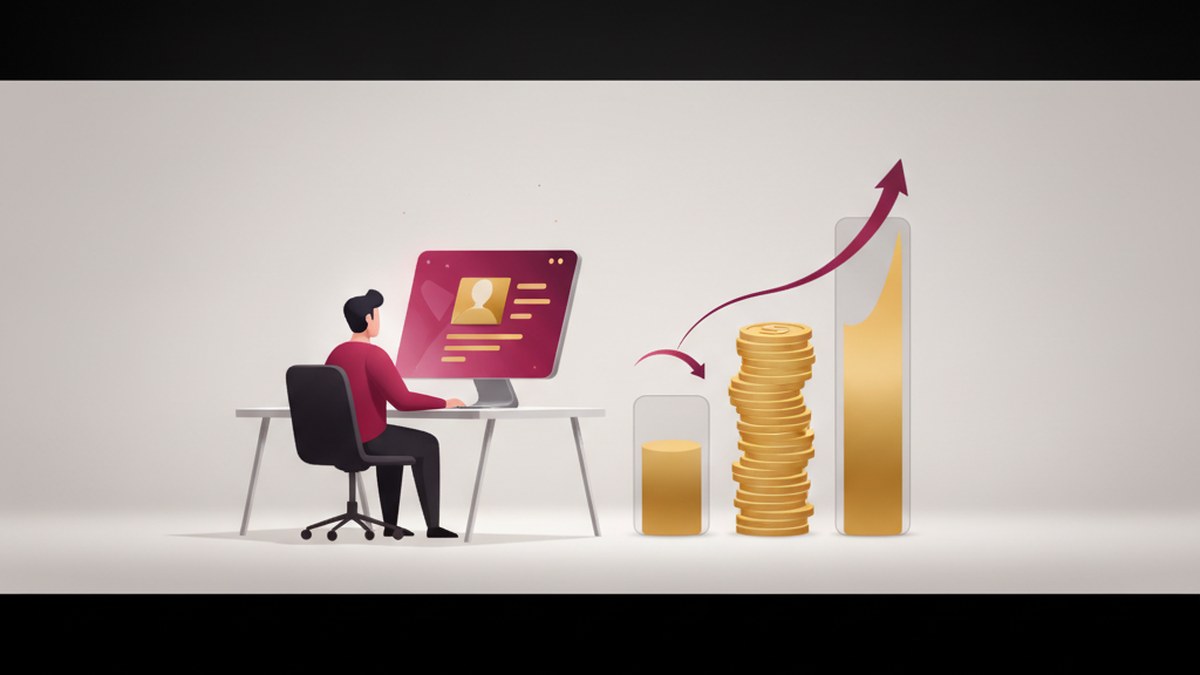
Fanvue takes 20% when you start, dropping to 15% once you hit their earnings milestone — compared to OnlyFans' flat 20%. Here's what you keep, how payouts work, and what creators actually earn.

Dailymotion pays creators 70% of ad revenue — a higher cut than YouTube's 55%. Here's what that 70/30 split actually earns, how to qualify, and how it compares to YouTube and Rumble.

YouTube pays $1–$8 RPM (creator-reported); TikTok Creator Rewards pays $0.40–$1.00 per 1k qualified views. YouTube wins on per-view rate. TikTok wins on virality and entry bar. Here's when each platform makes sense.
Can you monetize Wattpad? Yes, but the money is invite-only. The real 2026 rules on the Creators Program stipend, Paid Stories coins, and why reads aren't dollars.
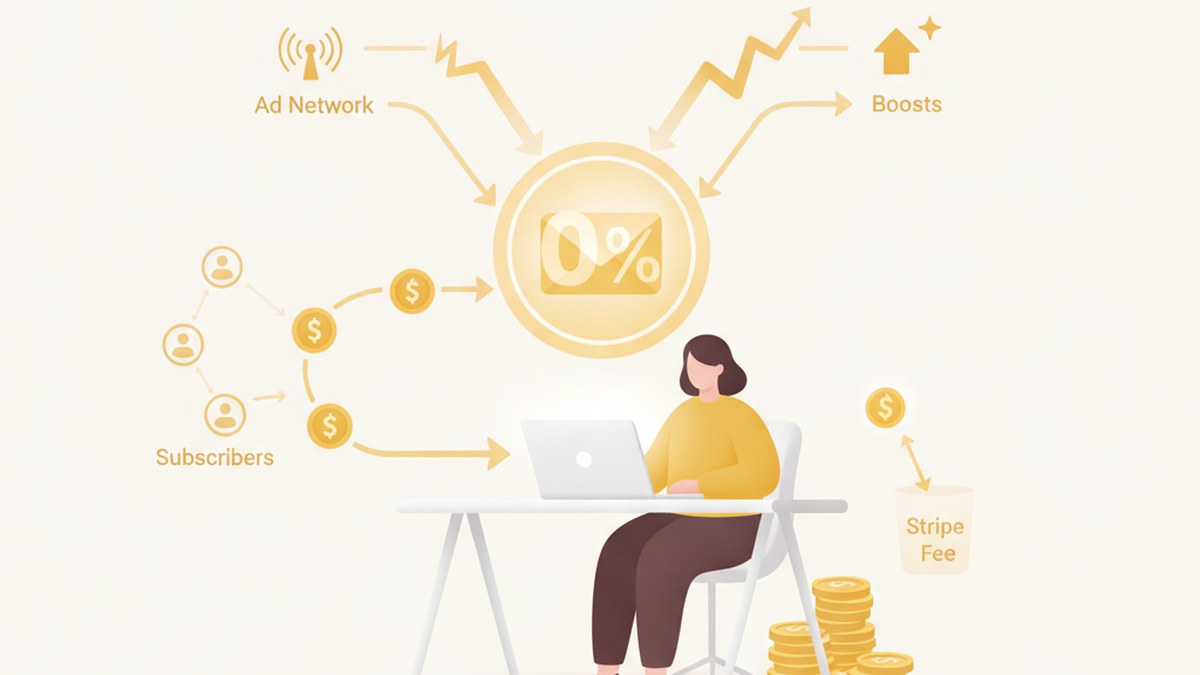
beehiiv takes 0% of your subscription revenue — you keep 100% minus Stripe's processing fee. Here's how beehiiv makes money instead, and what each revenue stream actually pays.

Cameo takes 25% of every booking. You keep 75% of whatever price you set — no follower minimum, no monthly fees. Here's what Cameo creators actually earn and how the pricing works.
Fourthwall takes 0% on merchandise sales — you only pay Stripe's standard processing fee. Here's what that means for your merch, memberships, and digital product earnings.

Ko-fi takes a 5% service fee on the free plan — on tips, memberships, commissions, and shop sales. Ko-fi Gold removes the fee entirely (0%). Here's what you actually keep.

Viggle AI pays creators through weekly challenge prizes and The Bounty — with cash ranging from $50 to $3,000/month. Here's exactly how the program works and what you realistically earn.

Skillshare pays teachers a royalty share based on paid-member minutes watched — not a flat per-view rate. Here's what the model means in practice and what 2026's new thresholds changed.
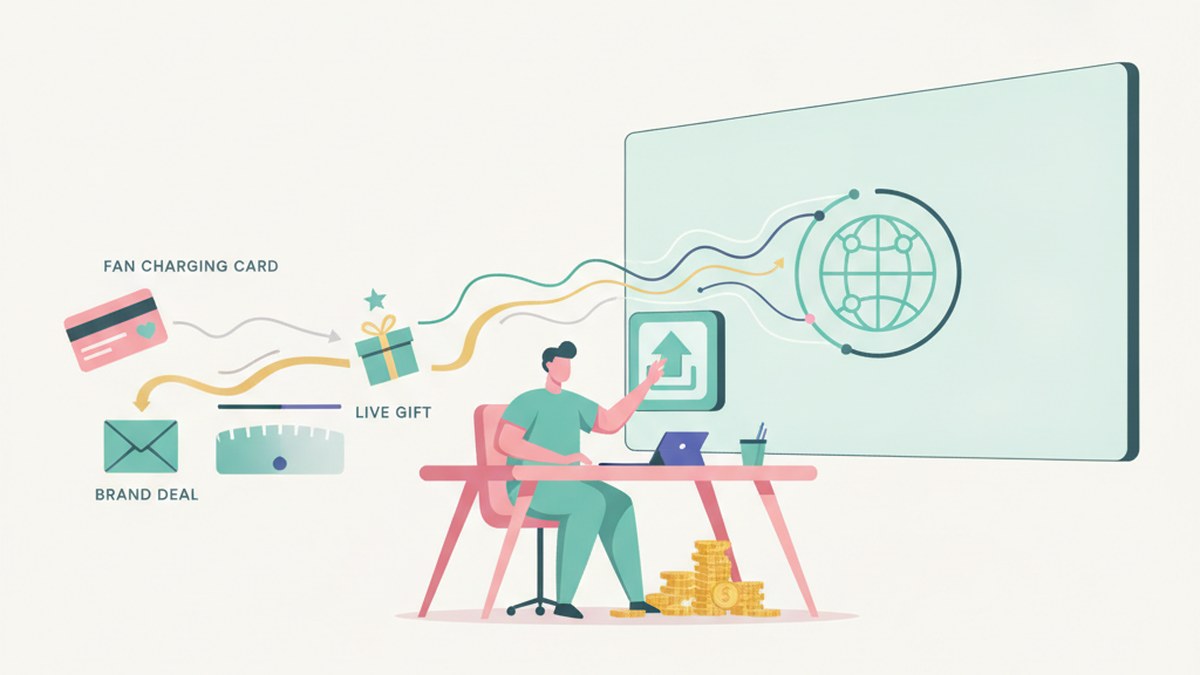
Bilibili pays creators through cash incentives (capped at ~$278/month since 2024), fan charging, live gifts, and brand deals. In 2025, it paid $1.1B to creators and average income grew 21%. Here's the honest breakdown.
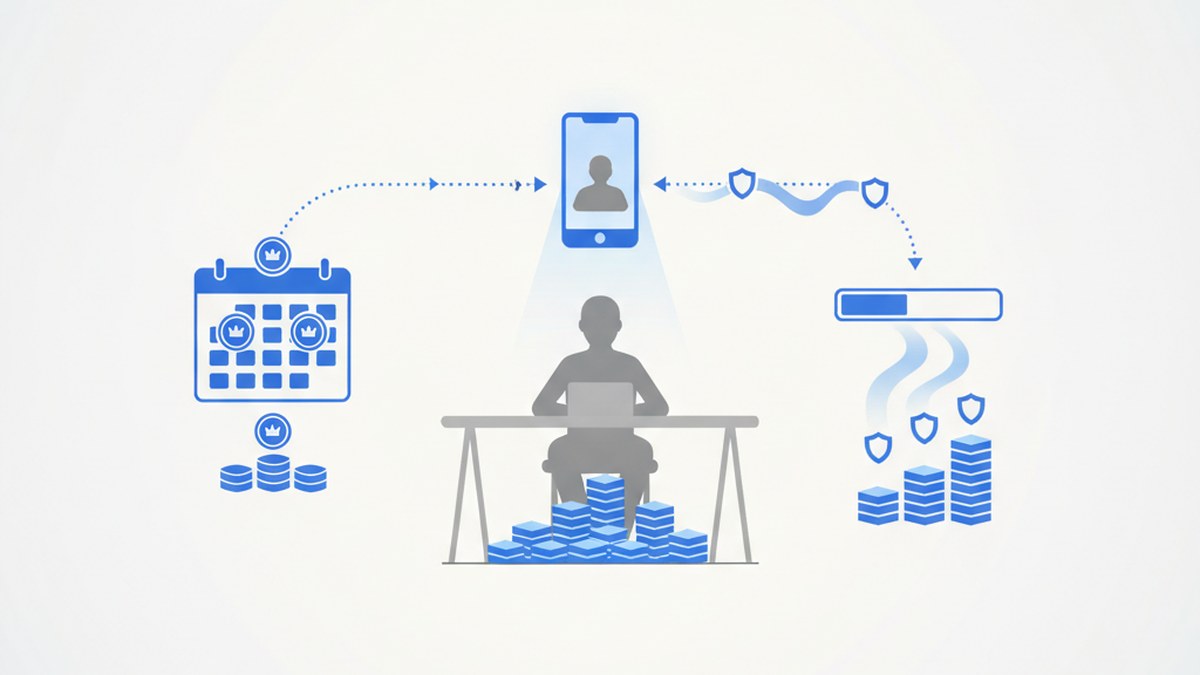
Facebook paid creators nearly $3 billion in 2025. But the amount you'd actually get depends on which path you're on — Creator Fast Track (guaranteed $100–$3,000/month) or Content Monetization (performance-based). Here's the full breakdown.
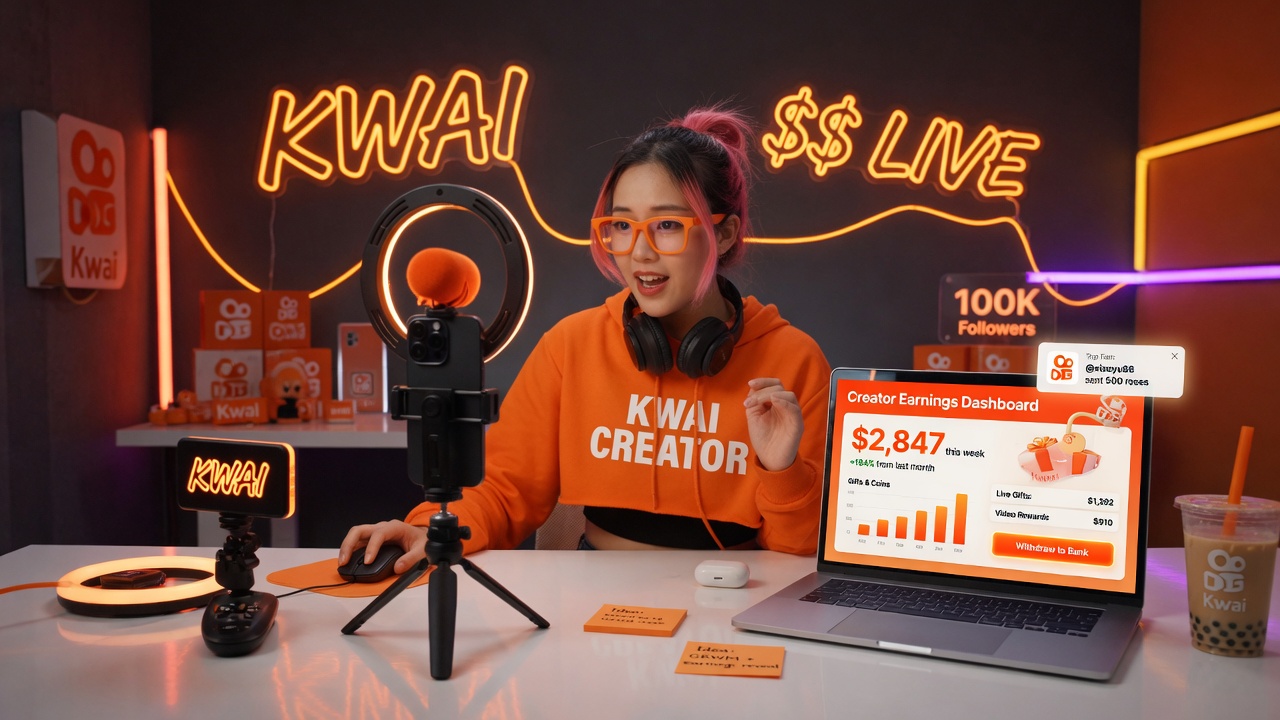
Kwai pays creators through ad revenue sharing, paid brand tasks, LIVE gifts, and a creator fund — starting at just 500 followers. Here's what you actually earn, and why LATAM and Asian creators are quietly making real money on it.
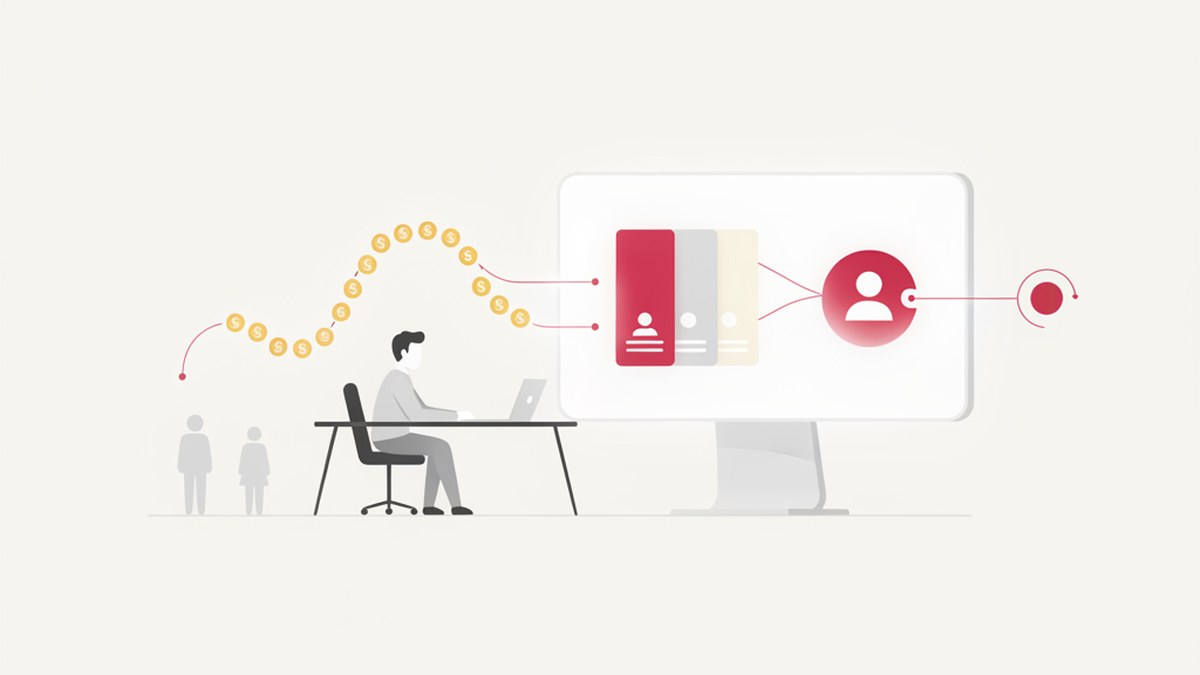
Patreon takes 10% for new creators (post-Aug 4 2025) plus payment processing fees. Legacy creators pay 5%–12%. Here's what you actually keep in 2026.
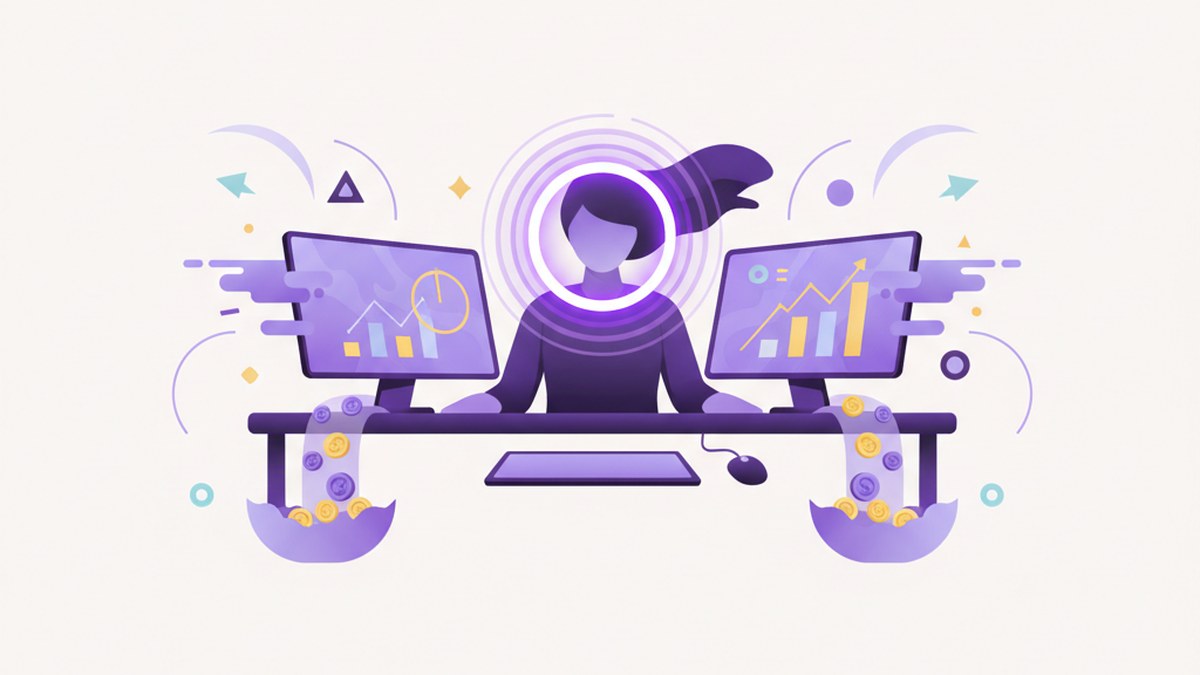
Twitch pays streamers 50% of subscription revenue — roughly $2.50 per Tier 1 sub — plus $0.01 per Bit. Here's the full breakdown for Affiliates, Partners, and ads.
X pays creators through ad revenue sharing — but the 'verified impressions' metric means your actual payout per view is much lower than the headline rate. Here's what it actually works out to.
Can you monetize Spotify? Podcasters can via the Spotify Partner Program (2,000 hours + 1,000 listeners). Musicians earn royalties instead. The real 2026 rules.
Can you monetize SoundCloud? Yes, but only on a paid Next Plus or Next Pro plan. The real 2026 rules, fan-powered royalties, and the catch nobody mentions.
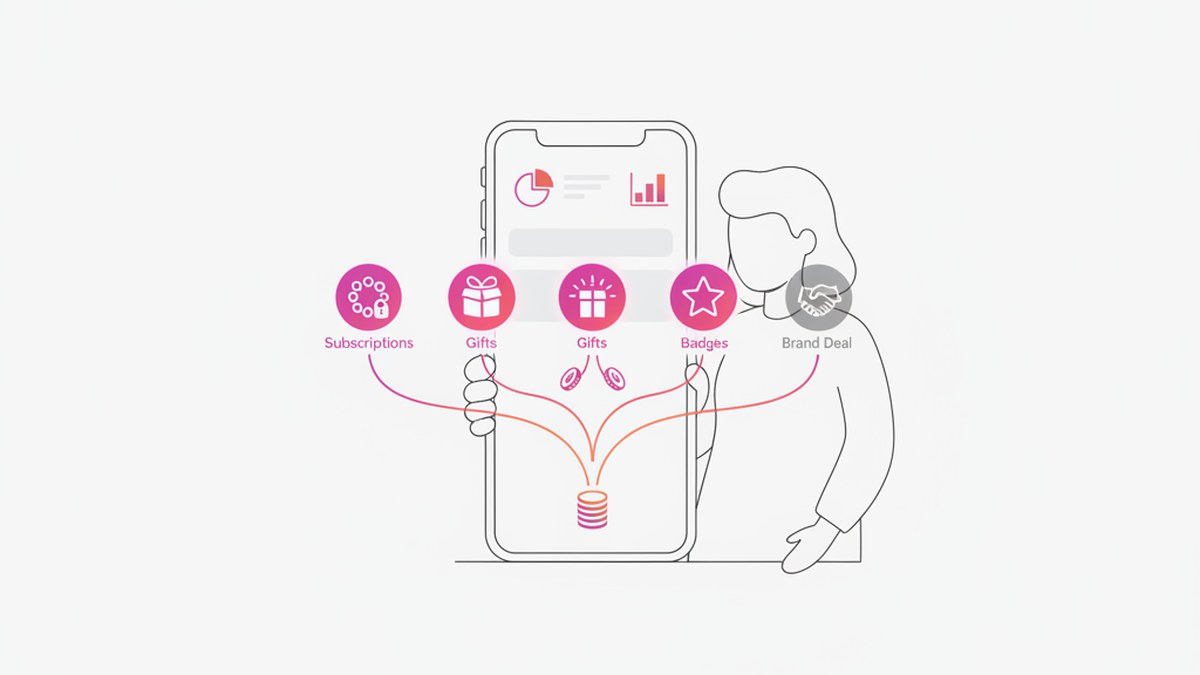
Instagram has no pay-per-view rate. Creators earn from invite-only Reels bonuses, fan subscriptions, and brand deals. Here's what each tool actually pays.
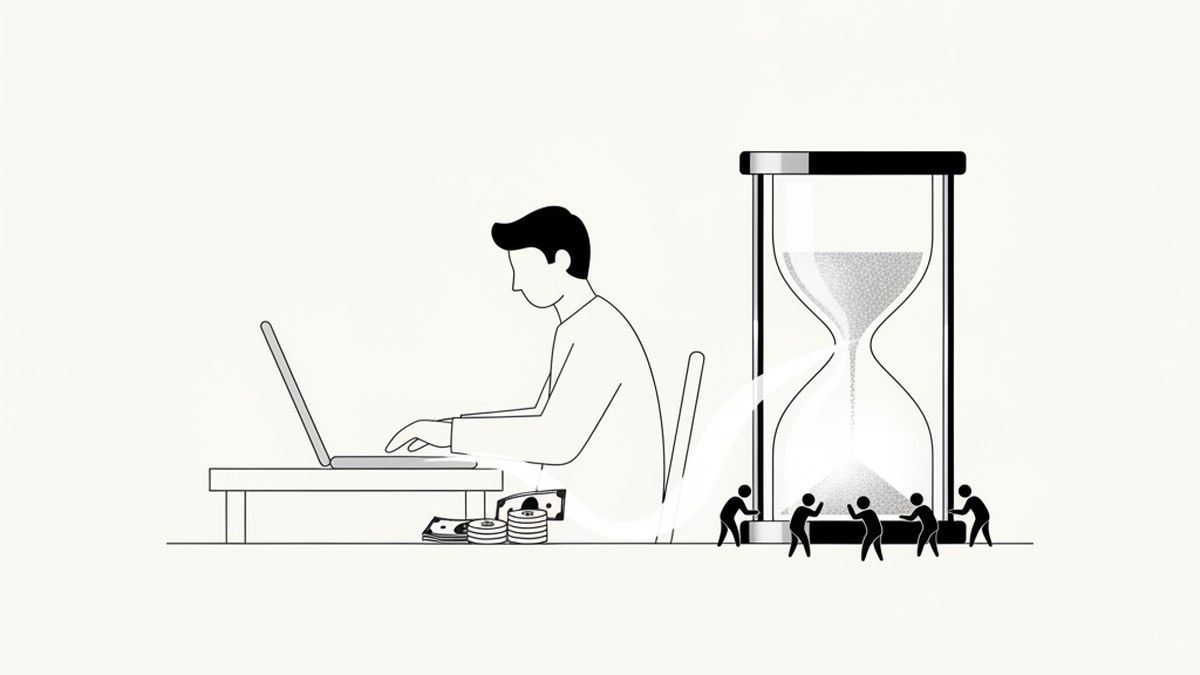
Can you monetize Medium? Yes — the Partner Program pays writers, no follower minimum or paid membership needed. The real 2026 gates and a catch.
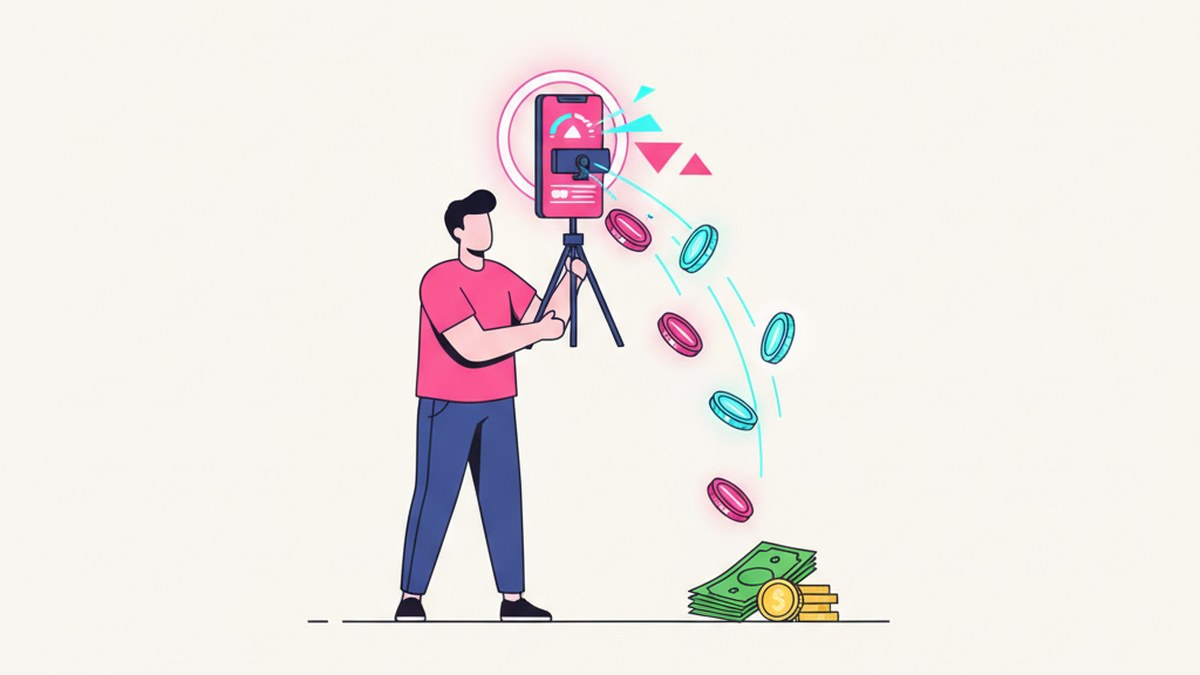
TikTok pays creators $0.40–$1.00 per 1,000 qualified views via the Creator Rewards Program. Here's what qualifies, who gets in, and what niches pay most.
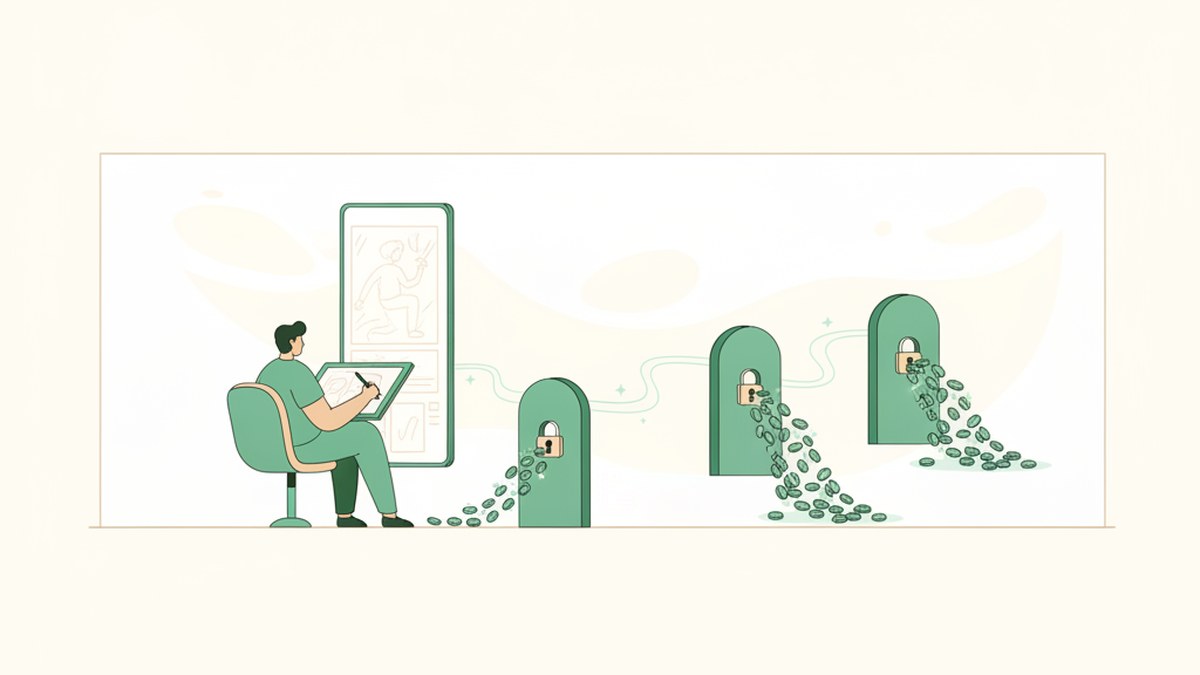
Yes, making and publishing a WEBTOON is completely free. Getting paid is the part that's gated: 500 likes for Super Likes, 1,000 subs plus 40,000 views for ads. Here's the real 2026 math.
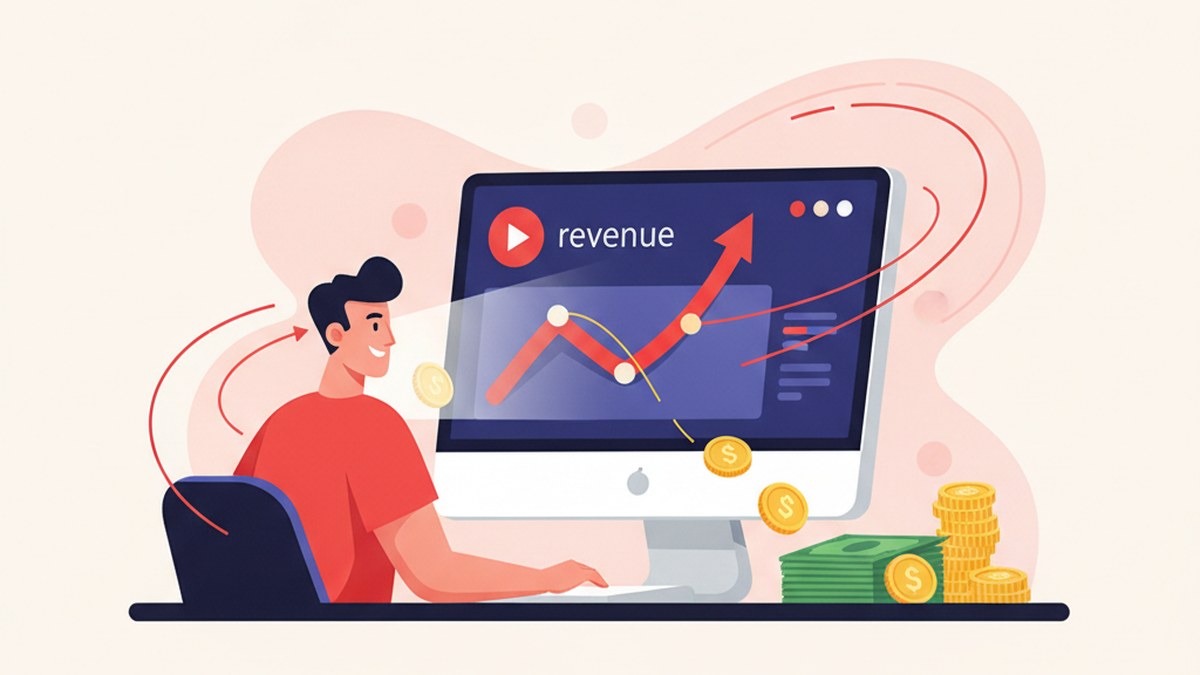
YouTube pays 55% of ad revenue on long-form, 45% on Shorts. In practice that's $1–$5 RPM for most channels, but niche and geo shift that sharply.
How to get the Kick creator program in 2026: the three monetization tiers, exact follower and hour requirements, and the 95/5 split catch most guides skip.
CashWorldwideApplication

How to become a Snapchat creator in 2026: the real path to the Monetization Program, the 50K-follower and 15,000-hour bar, and why you can't just apply.